
Designing a Tropical Yard Retreat That Feels Cohesive, Not Forced
A tropical yard retreat is not created in one corner of a property. It works only when the entire landscape participates in the illusion.
1/12/20262 min read
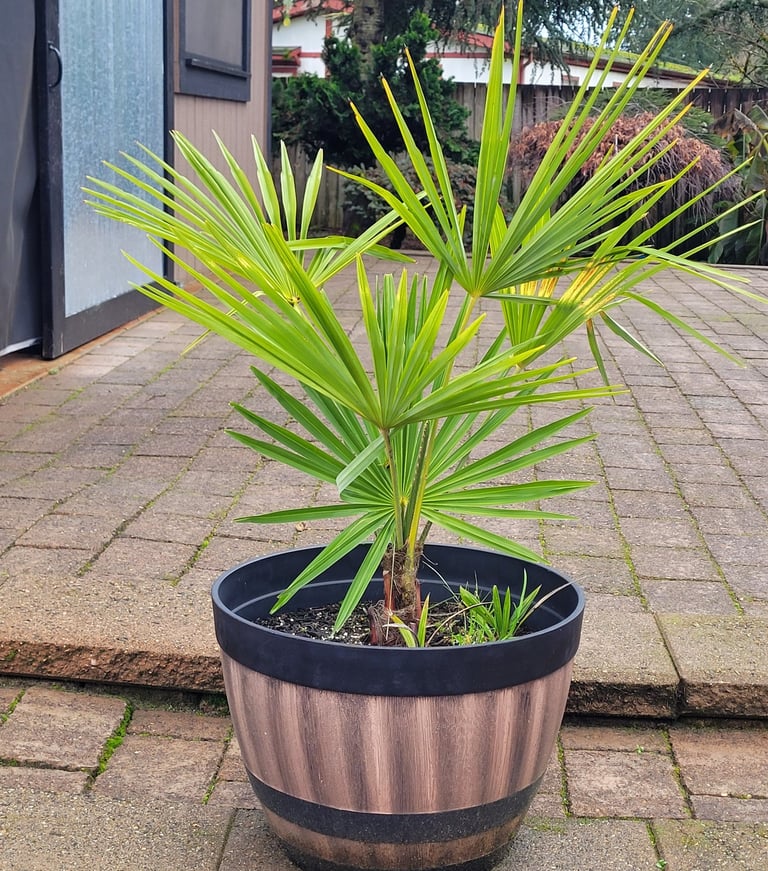
In cool climates like the Pacific Northwest, tropical-style landscapes fail most often because they are treated as isolated features—a “tropical backyard,” a single palm by the patio, a banana plant placed where it fits rather than where it belongs. The result feels decorative, not immersive.
A successful tropical yard retreat is planned as a system, not a scene.
Start With the Yard as a Whole
Before plants are chosen, the property needs to be read as a sequence of spaces:
Entry
Transition zones
Gathering areas
Visual buffers
Tropical design works best when these spaces feel connected, even if they serve different purposes. The eye should move naturally from one area to the next without abrupt changes in style or scale.
This is where many cold-climate tropical yards succeed quietly. They don’t announce themselves all at once. They reveal themselves gradually.
Use Repetition to Create Continuity
In warm climates, sheer plant density creates cohesion. In cooler climates, repetition does the work.
Repeating certain elements across the yard:
Leaf shapes
Plant forms
Materials
Spacing patterns
…creates a visual language that ties the landscape together. A palm near the front of the property echoes another deeper in the yard. Broadleaf plants reappear along pathways. Even when individual plants are separated by distance, the repetition convinces the brain the design is intentional.
Let Structure Carry the Design
Cold-hardy tropical yards rely more heavily on structure than abundance.
Fences, hedges, screens, raised beds, and hardscape elements provide:
Wind protection
Microclimates
Visual anchors during winter dormancy
When structure is strong, plants are allowed to come and go seasonally without breaking the design. This is critical for full-yard tropical landscapes in climates with real winters.
Think in Sightlines, Not Plant Lists
A tropical yard should control what is seen—and what is not.
Sightlines are shaped to:
Frame palms or large-leaf plants
Hide property edges
Block views of non-tropical surroundings
This doesn’t require large acreage. Even modest yards benefit from carefully blocked views that shorten visual depth and increase the sense of enclosure.
The more the yard feels contained, the more tropical it feels.
Accept Seasonal Change Without Losing Identity
A tropical-style yard in the Pacific Northwest will change through the year. Leaves may brown. Growth may slow. Some plants may disappear entirely in winter.
The goal is not to prevent this, but to ensure the yard never loses its identity.
Evergreen structure, strong forms, and repeated elements allow the landscape to remain coherent even when it is not at peak growth. When spring returns, the tropical character feels renewed rather than rebuilt.
Final Thought
A tropical yard retreat is not about creating one perfect space.
It is about aligning the entire property toward a single atmosphere.
When the yard works as a whole, the tropical effect feels natural, immersive, and sustainable—even in a cool climate.
For smaller patios, decks, and entryways, see our guide to building a tropical container garden in the Pacific Northwest.
Contact Us
© 2025. All rights reserved.
Terms and Conditions
Affiliate Disclosure
Some links on this site may be affiliate links. As an Amazon Associate I earn from qualifying purchases.