
New Zealand Red Flax (Phormium): Growing, Propagating, and Using It in the Landscape
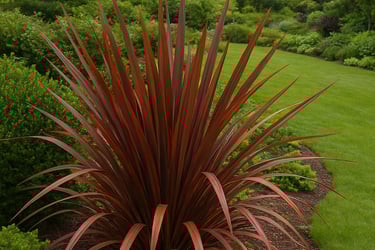
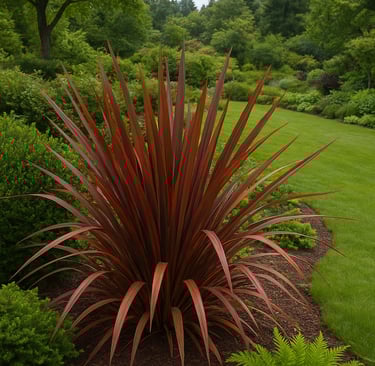
New Zealand red flax (Phormium tenax and Phormium cookianum cultivars) is one of the most versatile architectural plants for cool-climate landscapes. With its bold, sword-like foliage and strong color presence, it bridges the gap between ornamental grasses, tropical aesthetics, and structural shrubs. Despite its dramatic appearance, red flax is surprisingly tough and well-suited to Pacific Northwest conditions when planted and maintained correctly.
1/14/20263 min read
Botanical Overview
Common name: New Zealand Red Flax
Botanical genus: Phormium
Growth habit: Clumping, evergreen perennial
Mature size: 3–8 feet tall and wide (variety dependent)
Foliage: Upright, strap-like leaves in shades of burgundy, bronze, red, and green
Phormiums are not true flax and are unrelated to flax used for fiber production. Their value is almost entirely ornamental in modern landscapes.
Climate Suitability and Hardiness
New Zealand red flax performs best in mild coastal and lowland climates.
USDA Zones: Generally 8–10
Cold tolerance: Around 15–20°F for established plants
PNW performance: Excellent in coastal, urban, and protected inland sites
Cold damage usually affects leaf tips first. Severe freezes may burn foliage but often spare the crown, allowing regrowth in spring.
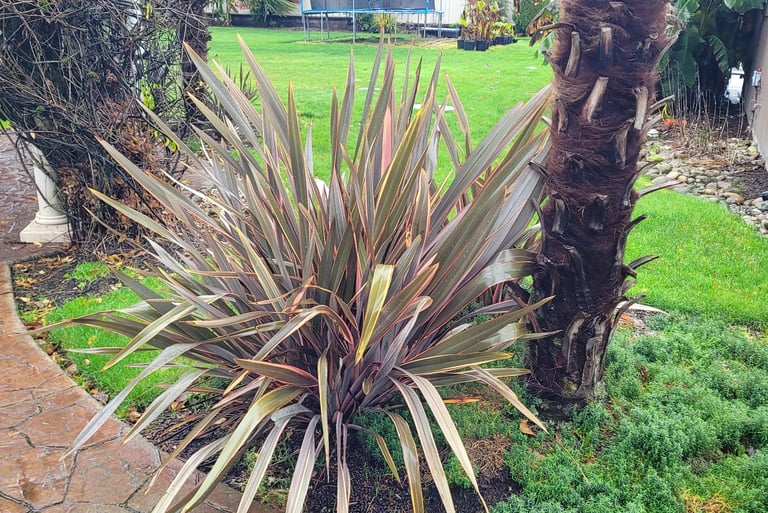
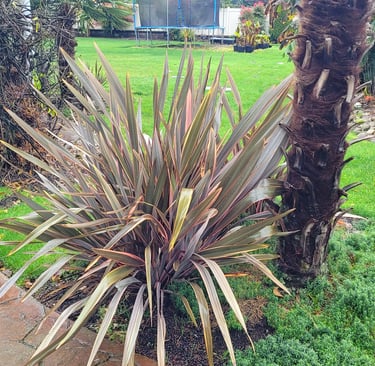
We have never lost flax plants here in the PNW due to cold or wet. Plants planted late in spring, early winter, seem to be stagnate until spring. One heavy snow we had seemed to crush a few of our plants, however within a year they started to show signs of regrowth. Two years out they are full size healthy plants again.
Site Selection and Soil Requirements
Proper placement is critical for long-term success.
Light
Full sun for best color intensity
Light shade tolerated, especially inland
Soil
Well-drained soil is essential
Tolerates sandy, loamy, and amended clay soils
Avoid sites with standing winter water
While phormium tolerates moisture, soggy winter soil is its biggest enemy.
Watering and Maintenance
Once established, New Zealand red flax is relatively low maintenance.
Establishment period: Regular watering first growing season
After establishment: Moderate drought tolerance
Maintenance: Remove damaged or dead leaves at the base
Do not shear like ornamental grasses. Leaves should be cut individually to preserve form.
Propagation Methods
Division (Preferred Method)
Division is the most reliable way to propagate red flax.
Best time:
Spring, after danger of hard frost
Early summer in cooler regions
Steps:
Dig up the entire clump
Separate into sections with roots and shoots
Replant immediately at the same depth
Water thoroughly during re-establishment
Divisions establish quickly and remain true to cultivar color.
The division of larger plants take some effort, as the roots of the individual plants are wrapped up tight. Once separated the plans seem stagnate for the first few months, but come back strong the next year.
For dividing mature clumps or removing damaged foliage, a sharp pair of professional bypass pruners such as the Felco F-2 makes clean cuts that reduce stress on the plant.
Seed Propagation (Less Common)
Seed propagation is possible but less predictable.
Color variation is common
Slower to reach landscape size
Best used for experimentation rather than uniform plantings
For most gardeners and landscapers, division is the superior method.
Using New Zealand Red Flax in the Landscape
Structural Anchor Plant
Red flax excels as a focal or anchor plant due to its upright habit.
Common uses:
Entryways and walkways
Patio borders
Poolside or hardscape edges
Its form contrasts well with rounded shrubs and fine-textured grasses.
Tropical and Modern Garden Designs
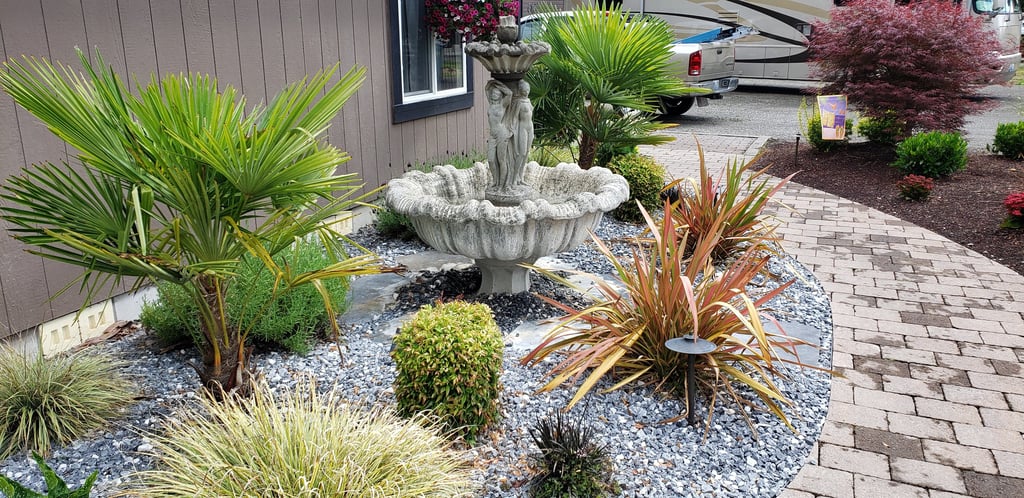
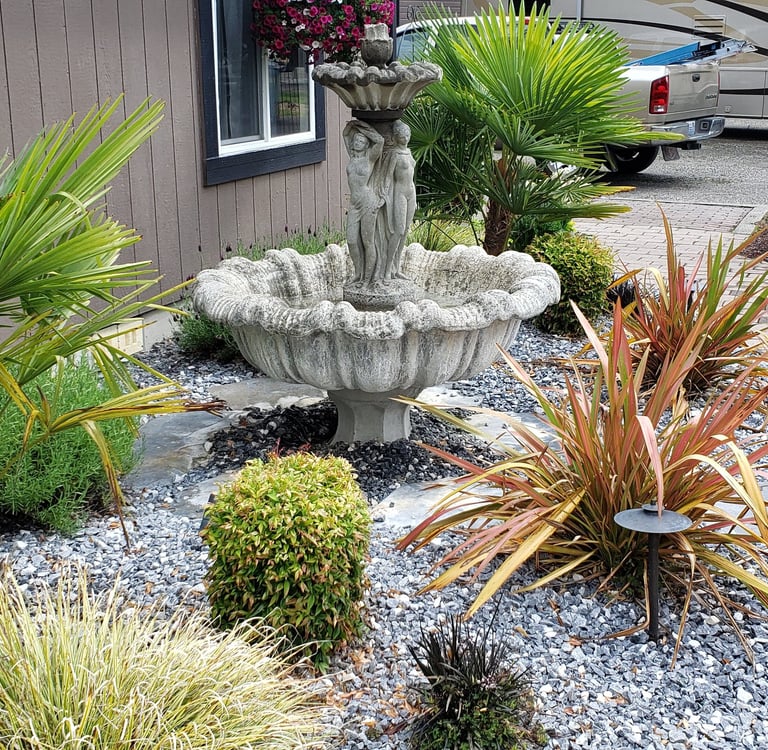
Phormium is often used to create a tropical or modern aesthetic without relying on tender plants.
Pairs well with:
Cold-hardy palms
Banana plants
Bamboo
Large-leaf perennials
Its evergreen structure maintains interest year-round.
Containers and Urban Landscapes
Compact cultivars perform well in large containers.
Benefits:
Mobility during extreme cold
Controlled soil drainage
Strong visual impact in small spaces
Containers also allow gardeners to experiment with placement before committing to in-ground planting.
Common Problems and Solutions
Leaf tip browning: Often cold or wind exposure
Crown rot: Usually drainage-related
Faded color: Insufficient sunlight
Most issues are cultural rather than disease-related.
Why New Zealand Red Flax Works in the Pacific Northwest
Few plants offer the same combination of:
Bold year-round structure
Color contrast
Low maintenance
Compatibility with tropical-style landscapes
For gardeners seeking drama without fragility, red flax remains a standout choice.
We use Flax in our beds surrounding other pillar plants (Windmills or Banana palms). Propagating as they get too big for the beds.
Contact Us
© 2025. All rights reserved.
Terms and Conditions
Affiliate Disclosure
Some links on this site may be affiliate links. As an Amazon Associate I earn from qualifying purchases.