
Why Tropical Plants Fail After Planting in the Pacific Northwest (Late Spring Mistakes to Avoid)
Learn the most common late spring planting mistakes that cause tropical plants to fail in the Pacific Northwest—and how to avoid them.
6/26/20262 min read
Introduction
Late spring is one of the best times to plant tropical-style plants in the Pacific Northwest—but it’s also when many failures begin.
Plants look healthy when they go in the ground, conditions seem right, and early growth often appears promising. Then by mid-summer, things start to decline.
In most cases, failure isn’t caused by temperature—it’s caused by setup mistakes during planting.
Understanding what goes wrong at this stage is one of the fastest ways to improve long-term success.
Mistake 1: Treating Spring Soil Like Summer Soil
In the Pacific Northwest, late spring soil still holds a lot of moisture from winter.
According to your site’s core guidance, the real challenge here is not cold—it’s wet, compacted soil and drainage issues
Common issue:
Planting directly into saturated or dense soil
Roots struggle to breathe
Slow decline begins before summer even starts
Fix:
Mix in coarse material for airflow
Slightly mound planting areas
Affiliate opportunity:
Soil amendment (pumice or perlite)
Drainage soil mix
Mistake 2: Overwatering After Planting
Many people continue winter watering habits into late spring.
But conditions are changing fast:
Rainfall tapers off
Temperatures increase
Soil starts drying unevenly
Overwatering leads to:
Root rot
Slow growth
Yellowing leaves
Fix:
Water deep, but less frequently
Let the top layer begin to dry
Affiliate opportunity:
Soil moisture meter (to remove guesswork)
Mistake 3: Ignoring Microclimates
Your site emphasizes that the Pacific Northwest has variable conditions even within the same yard
And this is one of the biggest failure points.
Two plants, same species, same yard:
One thrives
One struggles
Why:
Wind exposure
Drainage differences
Sunlight variation
Fix:
Use protected, south-facing areas when possible
Avoid open wind exposure zones
Watch where water collects after rain
Mistake 4: Expecting Immediate Top Growth
This is especially common in late spring planting.
Plants prioritize:
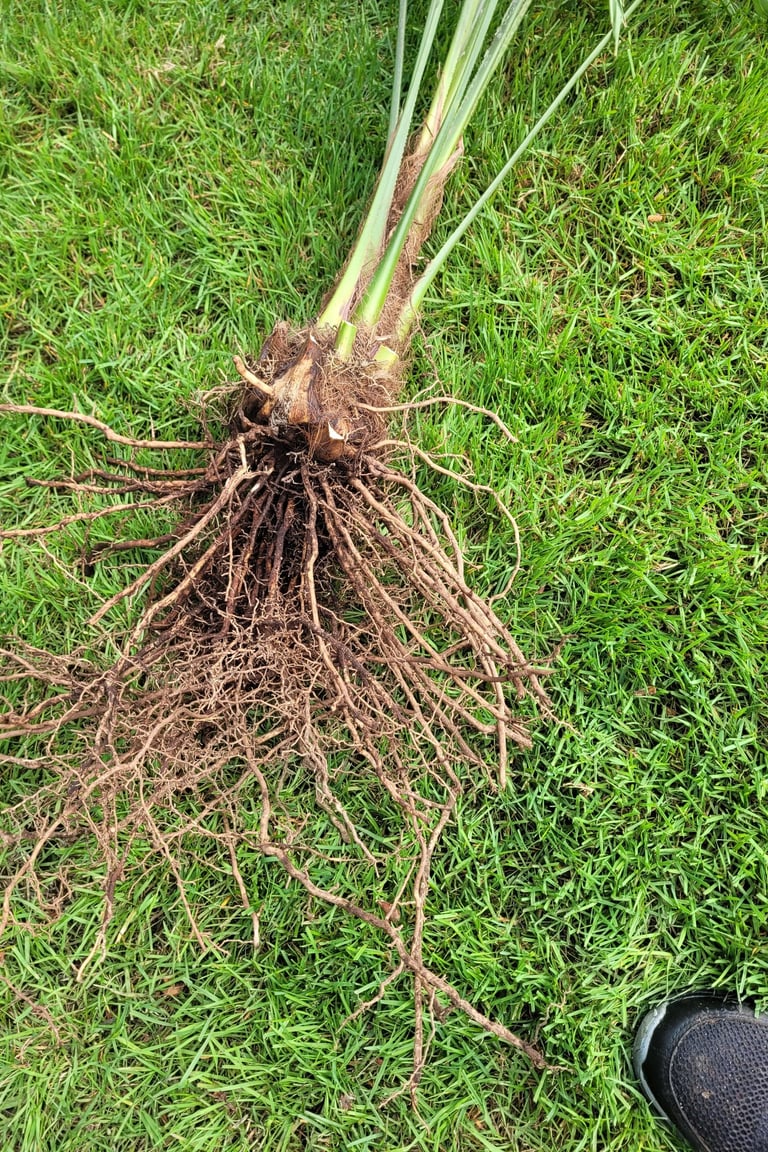
Root establishment first
Top growth second
So what people see:
“It’s not growing fast enough”
They start overwatering or fertilizing aggressively
This causes stress instead of improvement.
Fix:
Allow 4–8 weeks for root development
Focus on stability, not speed
Mistake 5: Feeding Too Early
Early fertilization is often unnecessary—and sometimes harmful.
Banana plants, for example, benefit from feeding, but only once active growth is clearly underway
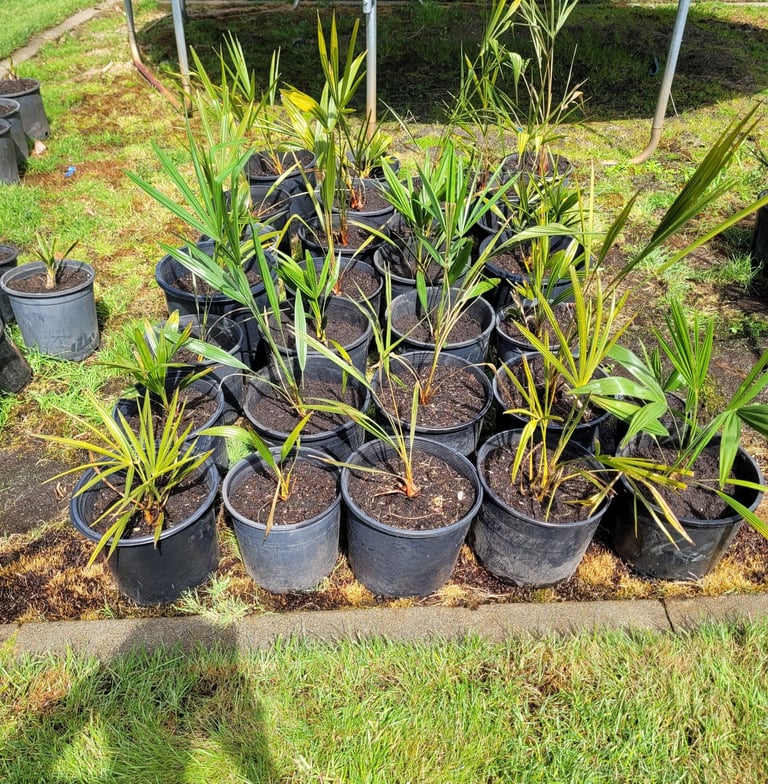
Windmill palms need even less.
Too-early feeding:
Pushes weak growth
Stresses new root systems
Fix:
Wait until steady growth is visible
Then introduce a slow-release fertilizer
Affiliate opportunity:
Slow-release tropical plant fertilizer
What Successful Late Spring Planting Looks Like
When planted correctly in your current window (late spring → early summer):
Roots establish steadily
Growth begins by early summer
Plants handle heat and dryness better
Survival rate into winter improves significantly
This is where the difference compounds—good setup now leads to multiple seasons of success.
Personal Experience Section
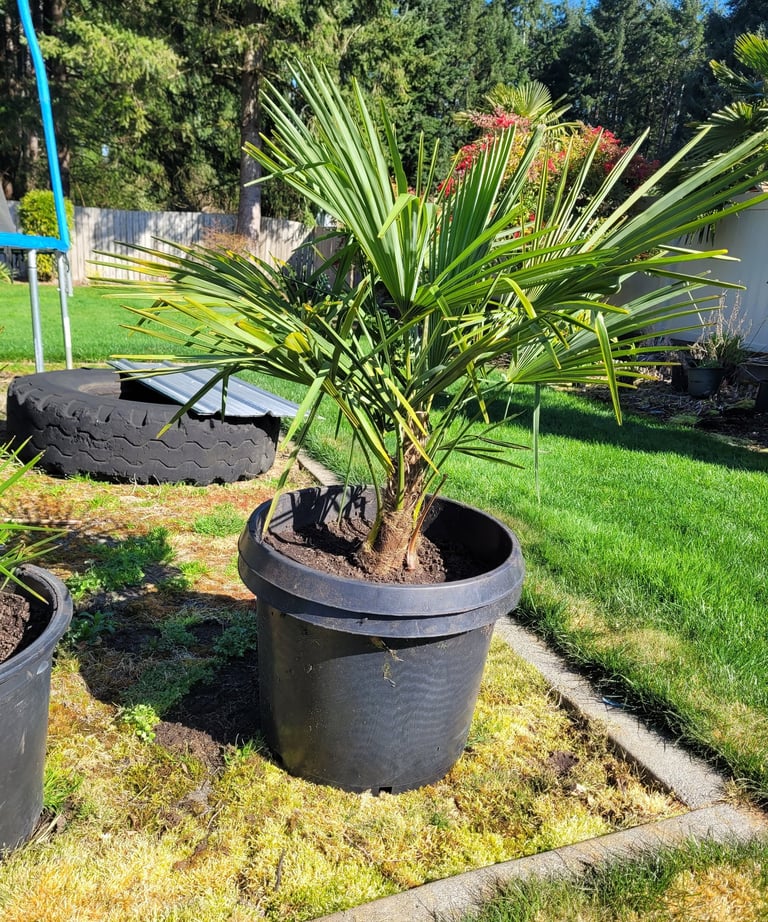
In my experience growing tropical plants in the Rochester, WA area, most failures trace back to soil and placement and timing—not temperature. Plants that go into slightly elevated, well-draining locations consistently outperform those planted in flat, moisture-heavy areas, especially going into early summer.
Conclusion
Most tropical plant failures in the Pacific Northwest don’t happen in winter—they start during planting.
By avoiding:
Poor drainage
Overwatering
Bad placement
Premature feeding
You can dramatically improve both growth and long-term survival.
Late spring is not just a planting window—it’s the stage where success or failure is set in motion.
Contact Us
© 2025. All rights reserved.
Terms and Conditions
Affiliate Disclosure
Some links on this site may be affiliate links. As an Amazon Associate I earn from qualifying purchases.