
Windmill Palm vs. Needle Palm: Which Is Better for Pacific Northwest Gardens?
Windmill palm or needle palm? Compare cold hardiness, growth rate, maintenance, and landscape impact to choose the best tropical-looking palm for Pacific Northwest gardens.
2/27/20262 min read
If you want a palm in the Pacific Northwest, two names come up immediately:
Windmill Palm
Needle Palm
Both are cold-hardy.
Both survive real winters.
But they create very different landscapes.
This guide breaks down which palm actually performs better in wet PNW conditions — and which one fits your long-term design goals.
Quick Comparison Snapshot
Height: 20–40 ft over time
Cold Hardiness: ~5°F established
Growth Rate: Moderate
Visual Impact: Tall tropical canopy
Maintenance: Remove old fronds annually
Height: 4–8 ft
Cold Hardiness: ~-5°F established
Growth Rate: Slow
Visual Impact: Dense shrub-form texture
Maintenance: Minimal pruning
Cold Hardiness in Real PNW Winters
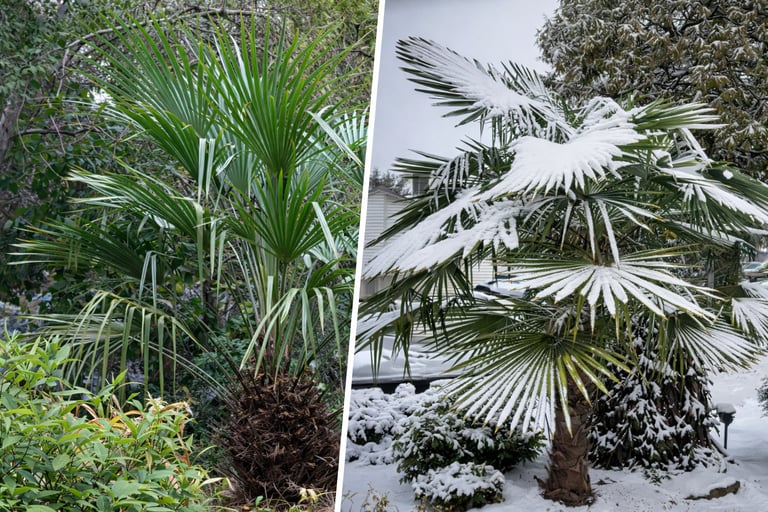
Windmill Palm (Trachycarpus fortunei)
Proven performer west of the Cascades
Handles wet winters better than most palms
Mature specimens tolerate single digits
Field note: Younger plants need protection below 15°F.
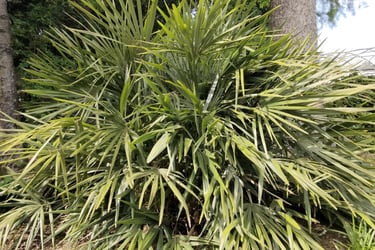
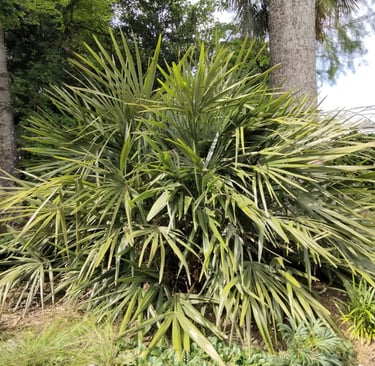
Needle Palm (Rhapidophyllum hystrix)
Hardiest palm commonly available
Survives colder temperatures than windmill
Extremely resilient once established
However, it dislikes standing winter water.
When temperatures dip below 0°F, even established windmill palms benefit from breathable frost protection fabric. A heavy-duty 1.0–1.5 oz frost blanket provides insulation without trapping moisture — critical in wet PNW winters.
See more on these two palms in Plants & Growing
Landscape Presence
This is where the difference becomes obvious.
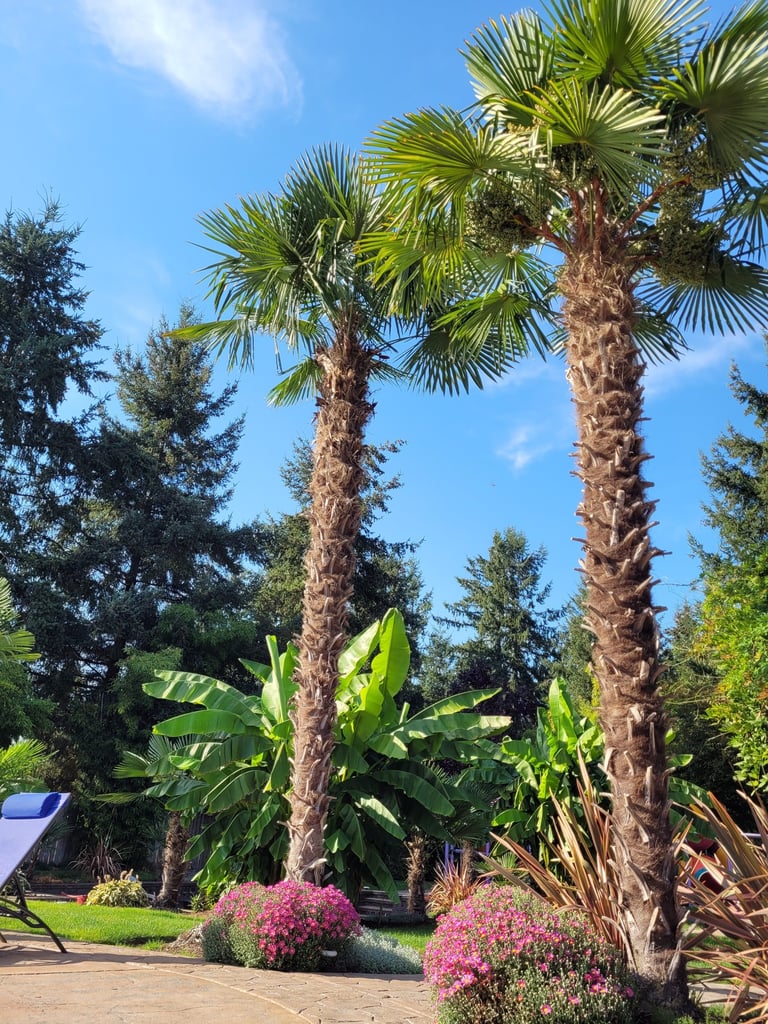
Windmill palm creates:
Vertical structure
Canopy height
Shadow movement
True “tropical” silhouette
Needle palm creates:
Dense mound
Architectural texture
Understory filler
Wind block accent
If you want backyard resort energy → Windmill.
If you want rugged cold-hard structure → Needle.
Growth Rate & Patience Factor
Windmill palms establish faster in PNW soil.
Needle palms are slow — sometimes painfully slow.
If you are planting for:
• Immediate presence → Windmill
• Long-term cold insurance → Needle
Soil & Drainage Requirements
Both demand drainage.
In heavy clay:
Amend planting hole generously
Elevate slightly if necessary
Avoid winter pooling
Palm Tree Soil Mix Explained: What Actually Works in Cold, Wet Climates
For heavy soils, raised planting with breathable fabric grow bags can dramatically improve drainage and root establishment.
A durable 25–30 gallon heavy-duty fabric grow bag rated for outdoor use allows root air pruning and prevents winter saturation issues.
Maintenance
Windmill:
Remove dead fronds annually
Monitor spear health after cold snaps
Needle:
Very little pruning
Watch for crown rot in wet soil
Neither is high-maintenance — but windmill requires visual grooming.
In our landscape we do a good prune around memorial day so the canopy grows fast and is full for the upcoming winter. We use a Pole Saw and a Tall Ladder to get the big guys in our landscape.
Which Should You Choose?
Choose Windmill Palm if:
You want height
You want tropical canopy feel
You want visual drama
Choose Needle Palm if:
You want extreme cold tolerance
You prefer compact structure
You want low-growth stability
Closing
Both palms survive here.
But they serve different design purposes.
The right choice depends less on cold tolerance — and more on the landscape you want to create five years from now.
Contact Us
© 2025. All rights reserved.
Terms and Conditions
Affiliate Disclosure
Some links on this site may be affiliate links. As an Amazon Associate I earn from qualifying purchases.