
Canna Lily Growing Guide for the Pacific Northwest: Bold Color in Zone 8 Gardens
Learn how to grow Canna lilies in the Pacific Northwest. Planting tips, winter care, soil prep, and overwintering advice for Zone 8 gardens.
3/2/20262 min read
Canna Lily Growing Guide for the Pacific Northwest
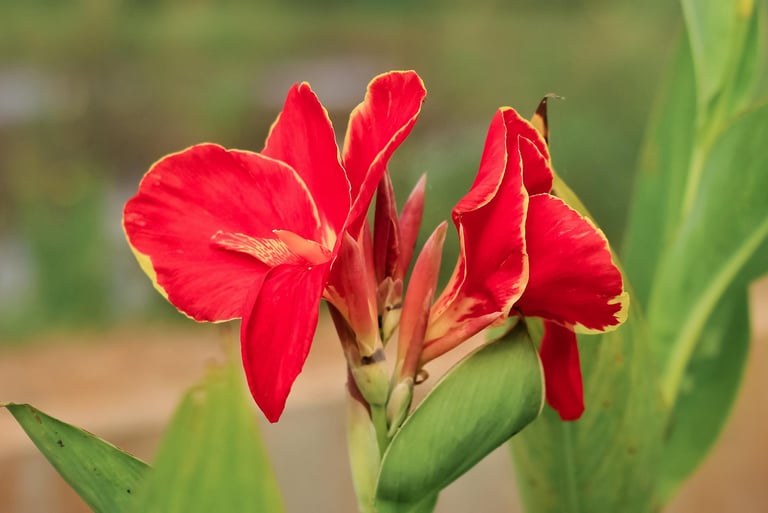
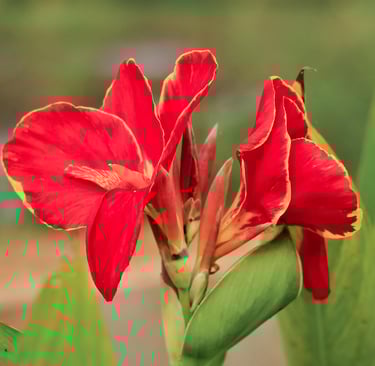
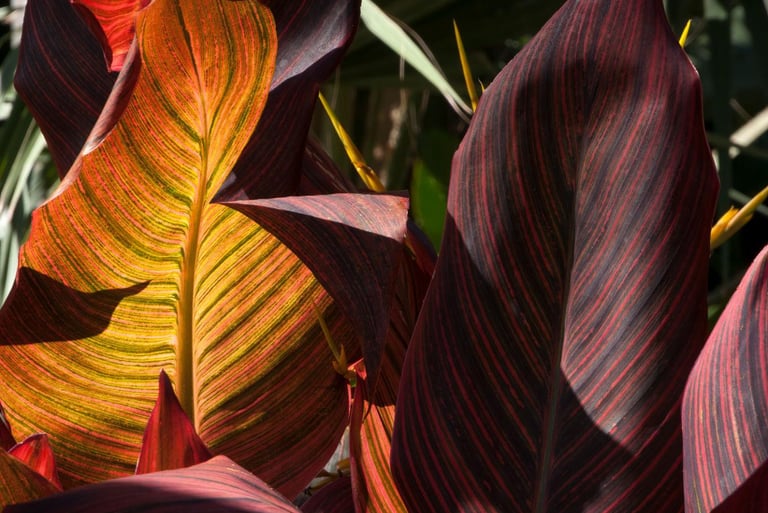
Canna lilies are one of the easiest ways to create bold tropical color in Pacific Northwest gardens. With oversized foliage and vibrant blooms in red, orange, yellow, and coral, they bring instant summer impact to Zone 8 landscapes.
Unlike true tropical plants, Cannas thrive in our warm summers and tolerate cool spring soils when planted properly.
Why Canna Lilies Work in Western Washington
Canna lilies perform well here because:
• They love warm, moist soil
• They thrive in full sun
• They respond aggressively to feeding
• They create dramatic height without woody growth
In most lowland Zone 8 gardens, they will flower from mid-summer until frost.
When to Plant Canna Lilies in the PNW
Plant rhizomes outdoors:
• Late April through May
• After soil consistently reaches 55–60°F
• After major frost risk passes
Planting too early slows growth. Cold soil is the biggest cause of poor performance.
How to Plant Canna Rhizomes
Plant rhizomes:
• 4 inches deep
• 12–18 inches apart
• In rich, well-draining soil
Amend with compost before planting.
If your soil is heavy clay (common in Western Washington), raised beds dramatically improve performance.
Watering & Fertilizing
Canna lilies are heavy feeders.
During active growth:
• Water deeply 1–2 times per week
• Apply balanced fertilizer every 3–4 weeks
• Mulch to retain soil warmth
This is one plant where consistent feeding directly impacts bloom size.
If you don't have an irrigation system, try a Programable Timer.
Winter Care in Zone 8
In mild Pacific Northwest winters:
• Cannas may survive in-ground with heavy mulch
• Cut foliage to ground after frost
• Apply 4–6 inches of mulch
In colder microclimates:
• Lift rhizomes after frost
• Store in a cool, dry space
• Replant in spring
Do Canna Lilies Spread?
Yes.
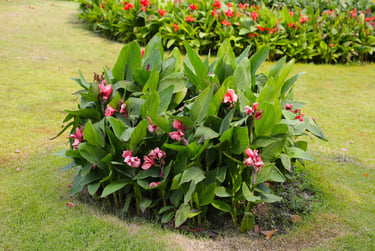
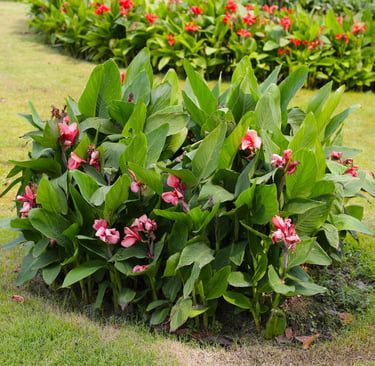
They multiply by underground rhizomes and can form large clumps within two seasons.
Divide every 2–3 years in early spring to:
• Maintain vigor
• Increase bloom production
• Prevent overcrowding
Common Problems in the Pacific Northwest
Poor blooming = insufficient sun
Small leaves = lack of fertilizer
Rotting rhizomes = poorly drained soil
Slugs in early spring = protect new shoots
If your soil runs heavy clay, a quality garden fork for soil loosening before planting makes a noticeable difference in root expansion and bloom production. Heavy Duty Digging Fork
• Hardy Hibiscus Growing Guide
• Banana Palm Growing Guide
• Tetrapanax Growing Guide
• Tropical Garden Design Guide
Contact Us
© 2025. All rights reserved.
Terms and Conditions
Affiliate Disclosure
Some links on this site may be affiliate links. As an Amazon Associate I earn from qualifying purchases.