
Daylilies in the Pacific Northwest
Learn how to grow daylilies in the Pacific Northwest for bold summer color, easy care, and reliable blooms in borders, beds, and landscape plantings.
3/30/20264 min read
Daylilies in the Pacific Northwest: Easy Color, Big Summer Impact, and Why They Belong in More Gardens
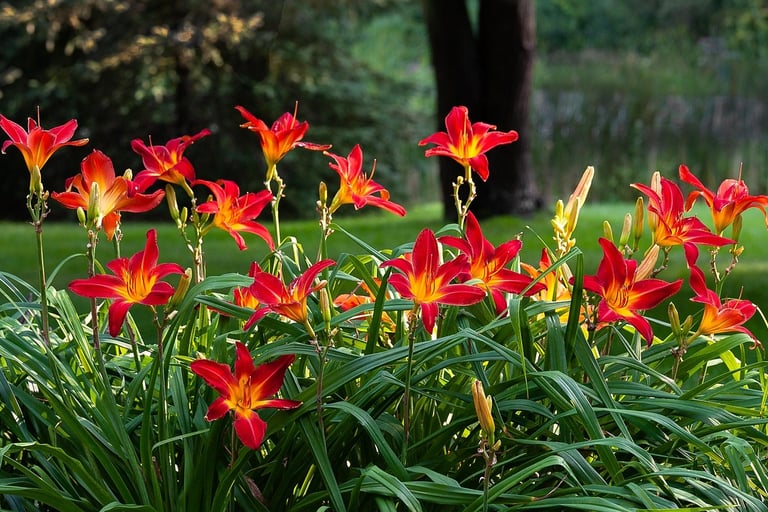
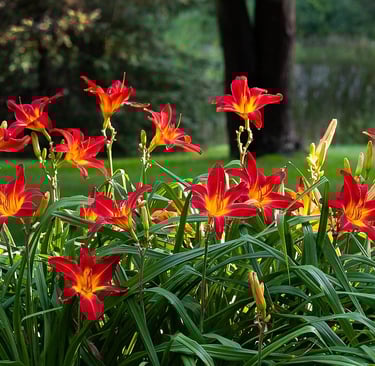
Daylilies are one of the easiest ways to add bold flower color to a Pacific Northwest garden without creating a high-maintenance planting. They handle our cool wet season well, settle in quickly, and reward gardeners with reliable summer blooms in a wide range of colors.
For Pacific Northwest Tropics, daylilies fit especially well because they help create that lush, layered garden look. Even though they are not tropical plants, their strappy foliage and strong flower scapes combine beautifully with bolder foliage plants and tropical-style borders.
Why daylilies work so well in the Pacific Northwest
Daylilies are adaptable perennials that perform best in full sun to light shade and prefer moist but well-drained soil. They are also drought tolerant once established, though they bloom and grow better with consistent moisture. University of Minnesota Extension notes that about 1 inch of water per week is ideal, and deadheading helps reduce seed production so plants can direct energy back into flowering.
That combination makes them a strong fit for many Pacific Northwest gardens. In our region, they are especially useful for:
front-yard color beds
mixed perennial borders
foundation plantings
driveway edges
informal cottage-style plantings
tropical-look gardens that need dependable summer flowers
What daylilies add to a landscape
A good daylily planting gives you more than flowers. It gives you structure, repeatable color, and a plant that fills space without demanding constant attention.
The biggest strengths of daylilies are:
strong summer bloom display
clumping growth habit
easy division over time
wide color range
low day-to-day maintenance
long-term garden reliability
For gardeners who want impact without fuss, that is a strong combination.
Best growing conditions for daylilies
Daylilies are forgiving, but they look best when planted in the right spot from the beginning.
Light
Full sun is ideal for the heaviest bloom. Light afternoon shade is acceptable, especially in warmer inland locations. Too much shade usually means fewer flowers and floppier growth.
Soil
Daylilies perform best in soil that drains well but does not dry out immediately. They tolerate many soil types, but they are strongest in improved garden soil with compost mixed in at planting time. Consistent moisture matters more than rich feeding.
Water
Keep newly planted daylilies watered regularly while they establish. Once rooted in, they become more forgiving, but bloom performance is better with steady moisture. Extension guidance recommends keeping soil moist, with roughly 1 inch of water weekly under normal conditions.
Spacing
Give each clump room to expand. Crowding reduces airflow and eventually reduces bloom performance.
How to keep daylilies blooming well
If you want daylilies to stay attractive and flower heavily, the care routine is simple.
Remove spent blooms
Each flower is short-lived, but the plant keeps producing new buds. Removing spent blooms helps the clump stay cleaner and directs energy away from seed production.
Clean up old foliage
In early spring, remove dead foliage from the previous season before fresh growth starts. This improves appearance and helps keep the planting tidy.
Divide crowded clumps
Over time, crowded daylilies can produce fewer buds, smaller flowers, and weaker performance. Extension guidance on perennials supports dividing vigorous clumps every few years when they become crowded, and division is best done when the plant is not in bloom.
Personal experience note
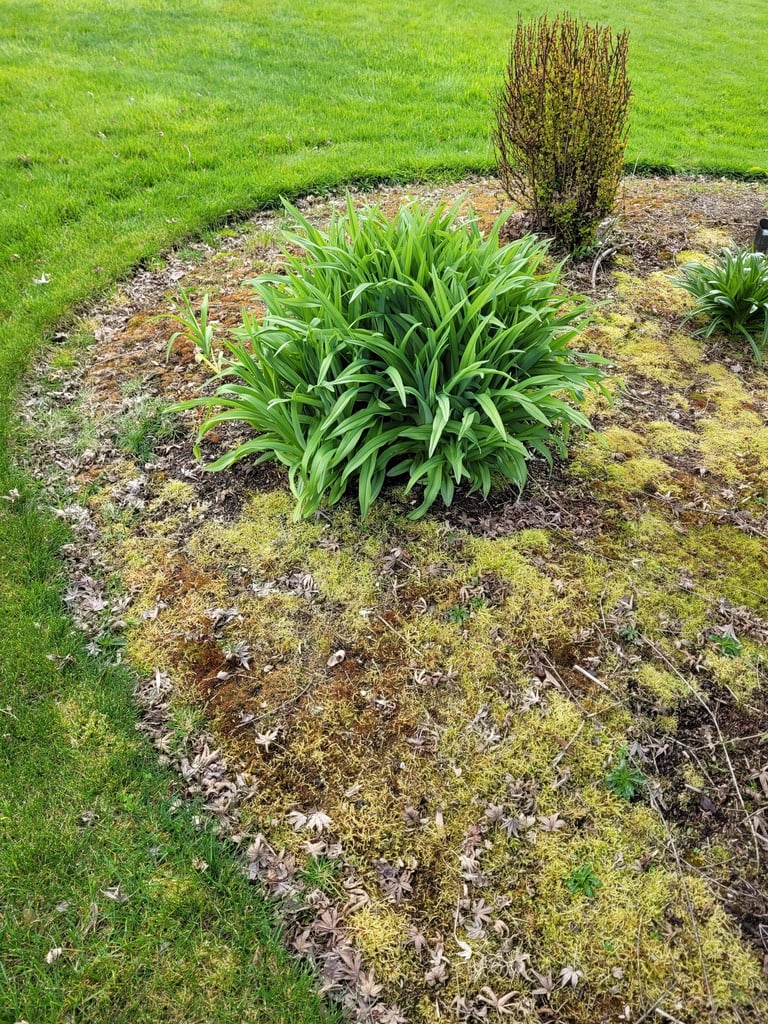
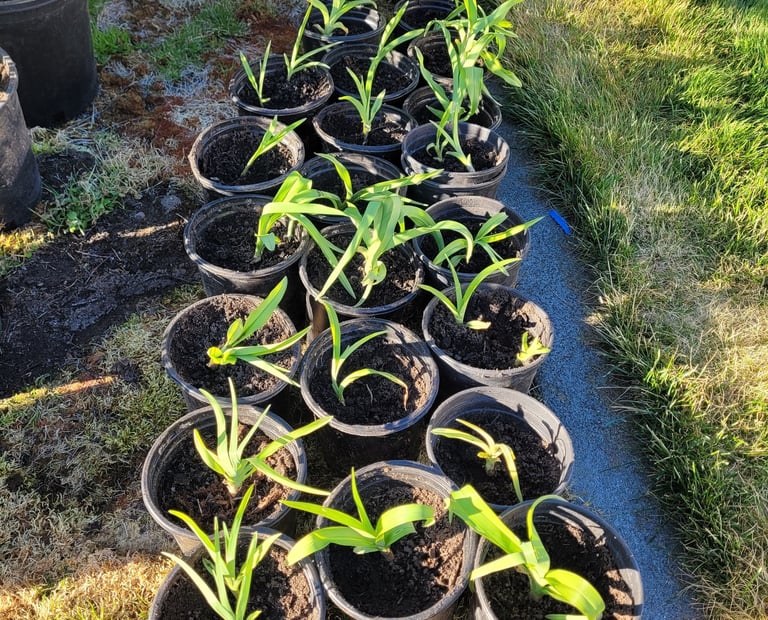
In our yard I have found that the more sun the better for these daylilies. Controlling the runners that pop up 3-5 inches away by digging out and making new starts with them, each plant will give you many starts. I use one of the Garden Kneelers helps save the knees and back.
Where daylilies fit best in a tropical-style Pacific Northwest garden
This is where daylilies become especially useful for PacificNorthwestTropics.net readers.
They are not a foliage plant like fatsia or cordyline, but they are excellent supporting plants in a tropical-style layout because they add:
bright summer color
arching foliage texture
dependable repeat interest
contrast against larger tropical-looking leaves
They pair especially well with:
cordyline
phormium
elephant ears in summer containers
windmill palms in mixed beds
dark mulch and rock edging for contrast
Used this way, daylilies help bridge the gap between dependable Northwest perennials and the bolder tropical look many gardeners want.
Common mistakes with daylilies
Too much shade
Healthy foliage but weak flowering usually points to insufficient sun.
Letting clumps get too crowded
Older clumps can stay alive for years, but performance drops when division is delayed too long.
Poor drainage
Daylilies like moisture, but they do not want to sit in soggy soil.
Ignoring cleanup
Removing spent flowers and old foliage keeps them looking much better during bloom season.
Are daylilies a good plant for beginners?
Yes. Daylilies are one of the better beginner perennials for Pacific Northwest gardeners because they are tough, easy to divide, forgiving of small mistakes, and capable of producing a lot of visual reward for relatively little work.
They are also a good bridge plant for gardeners moving from basic perennial beds into more designed, tropical-style, or layered landscape planting.
Final takeaway
If you want a plant that brings dependable summer color, fits easily into Pacific Northwest gardens, and works surprisingly well in tropical-style borders, daylilies deserve more attention.
They are easy to grow, easy to maintain, and easy to place in both classic and tropical-inspired landscapes. For gardeners who want maximum color without constant effort, daylilies are a strong choice.
Related reading
Contact Us
© 2025. All rights reserved.
Terms and Conditions
Affiliate Disclosure
Some links on this site may be affiliate links. As an Amazon Associate I earn from qualifying purchases.