
Cordyline australis — Growing Cabbage Palm in Pacific Northwest Gardens
Cordyline australis, often called cabbage palm, develops a tall trunk and fountain of foliage that instantly adds structure and height to the landscape. In the right microclimate, it can thrive surprisingly well in Pacific Northwest gardens.
3/16/20263 min read
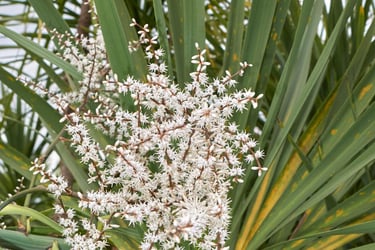
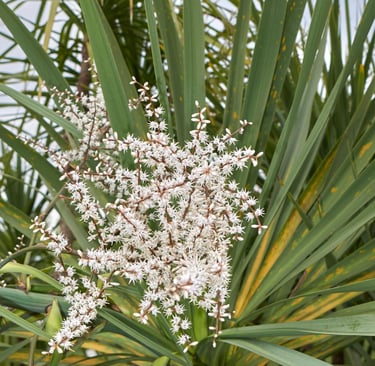
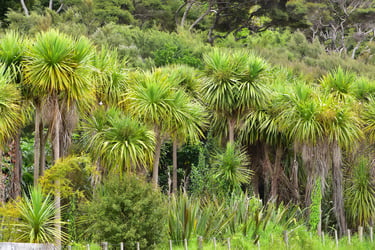
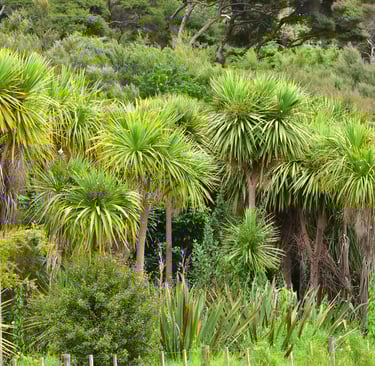
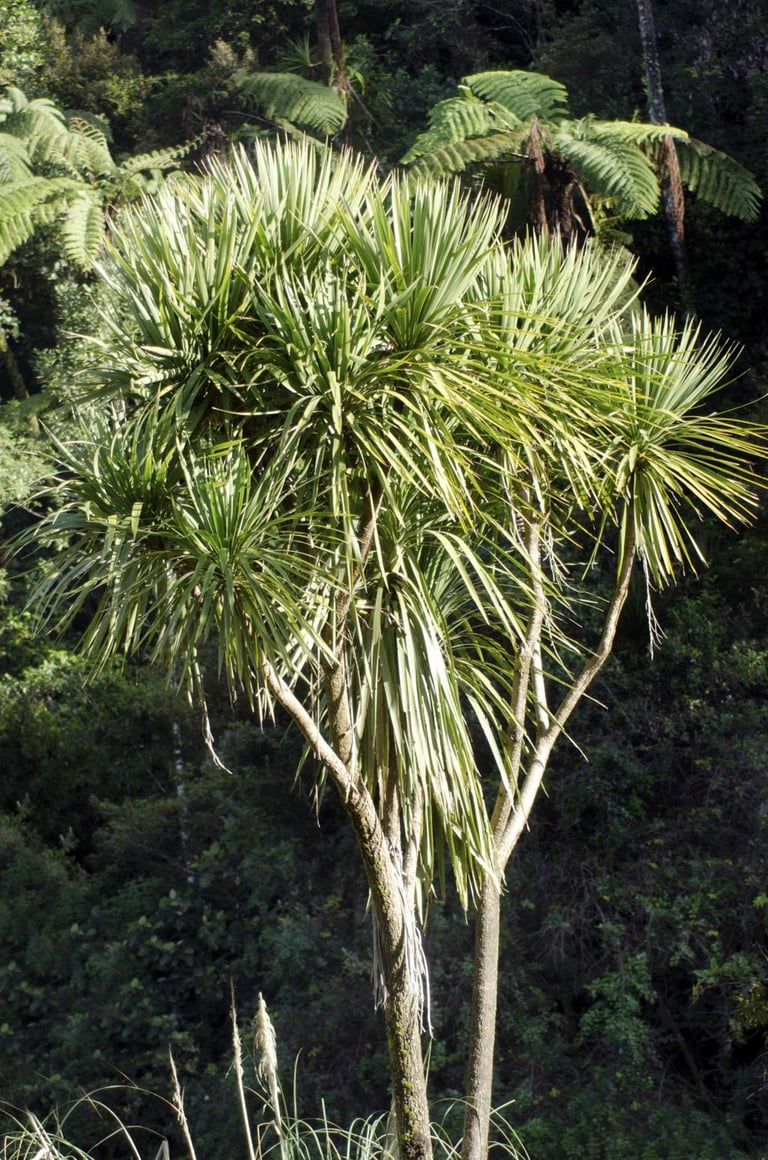
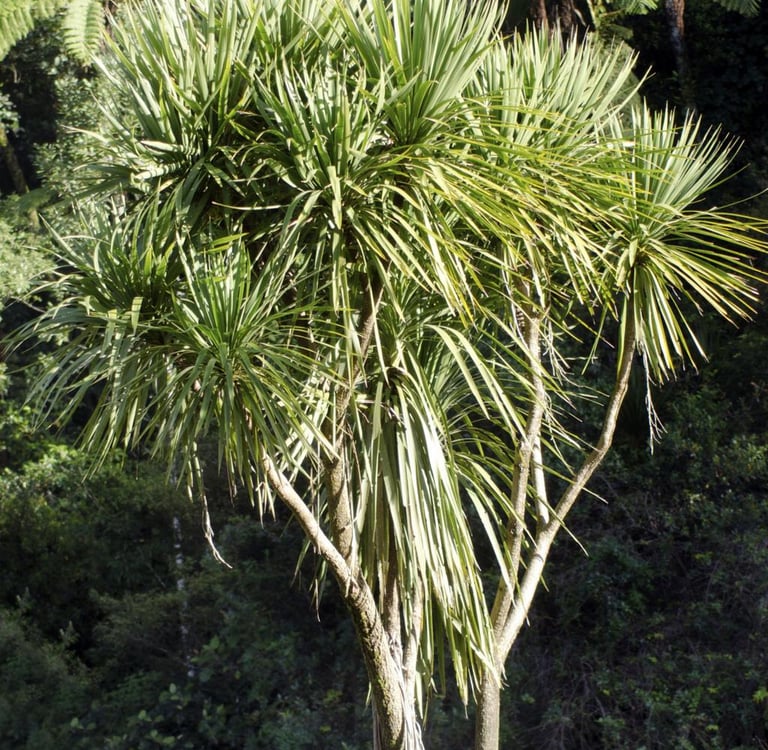
Cordyline australis is one of the most convincing ways to introduce a true tropical silhouette into a Pacific Northwest garden. With its tall, slender trunk and fountain of sword-like leaves at the top, it resembles a palm tree from a distance. In reality, it’s a New Zealand native commonly called cabbage palm, and in the right microclimate it can become a striking architectural centerpiece.
Unlike many tropical plants that remain shrub-like, Cordyline australis eventually forms a single trunk that branches into multiple heads of foliage, creating a layered canopy effect. In milder coastal areas of the Pacific Northwest, mature specimens can reach 15–30 feet tall over time, giving gardens a vertical tropical structure that few hardy plants can match.
Why Cordyline australis Works in the Pacific Northwest
Cordyline australis tolerates conditions that defeat many tropical plants. It prefers cool summers and can handle wet winters better than most warm-climate ornamentals. When planted in a sheltered location with decent drainage, it often performs surprisingly well in western Washington and Oregon gardens.
The key advantage is its architectural growth habit. Even a young plant immediately adds height and movement to a landscape. As it matures, the trunk thickens and branches, creating the kind of dramatic focal point normally associated with much warmer climates.
Because of this structure, Cordyline often works best as:
a specimen plant in the center of a planting bed
an anchor near patios or outdoor living areas
a backdrop for large foliage plants like bananas or cannas
In tropical-inspired designs, it provides the upper canopy layer that many gardens lack.
Choosing the Right Location
Location is the single most important factor when growing Cordyline australis successfully in the Pacific Northwest.
These plants appreciate full sun to light shade, but they dislike cold wind and soggy soil. The best placement is usually:
near a south-facing wall
protected by buildings or fencing
in soil that drains freely in winter
If planted in a low spot where water sits during winter storms, the roots can decline quickly. Raised beds or gently sloped planting areas often give better results.
In my own garden, Cordyline performs best where it receives maximum summer sunlight and shelter from winter wind.
Soil and Planting
Cordyline australis is not especially picky about soil fertility, but it strongly prefers well-drained ground.
When planting:
Dig a hole roughly twice the width of the root ball.
Loosen surrounding soil to encourage root expansion.
Backfill with native soil mixed with compost.
Water deeply after planting.
Mulching the root zone helps moderate soil moisture and temperature through the year.
Avoid heavy clay pockets that trap water in winter.
Water and Fertilization
During the first year, Cordyline should receive regular watering while establishing. Once established, it becomes fairly drought tolerant compared to many tropical plants. Consider automating your irragation.
In most Pacific Northwest gardens:
Summer watering: moderate
Winter watering: usually unnecessary due to rainfall
A light feeding in spring with a balanced fertilizer can encourage stronger foliage growth.
Recommended tools and supplies commonly used by gardeners include:
quality compost or soil amendment
organic mulch for moisture control
These are widely available through most garden suppliers and are commonly linked in tropical garden guides.
Winter Hardiness in the Pacific Northwest
Cold tolerance is where Cordyline australis becomes a bit unpredictable.
Mature plants often tolerate temperatures around 15–20°F, but damage can occur during severe cold snaps. In western Washington, many established specimens recover even if foliage is burned.
Young plants are more vulnerable.
Helpful winter strategies include:
planting in protected microclimates
applying mulch around the root zone
protecting the crown during extreme cold events
Even if the main trunk is damaged, Cordyline frequently resprouts from the base.
Landscape Design with Cordyline australis
Cordyline is best used as a structural plant, meaning it defines the framework of the garden.
It pairs especially well with:
fatsia
phormium
tree ferns
These combinations create layers of foliage that mimic subtropical landscapes while remaining relatively adaptable to Pacific Northwest conditions.
In tropical-inspired gardens, Cordyline often becomes the visual focal point that ties the design together.
Final Thoughts
For gardeners in the Pacific Northwest who want a true tropical silhouette without greenhouse conditions, Cordyline australis is worth serious consideration.
Given the right microclimate and well-drained soil, it can grow into a dramatic landscape specimen that transforms an ordinary garden into something that feels far more exotic.
It’s not quite a palm tree — but in the right setting, it might be the closest thing many PNW gardens can grow.
Contact Us
© 2025. All rights reserved.
Terms and Conditions
Affiliate Disclosure
Some links on this site may be affiliate links. As an Amazon Associate I earn from qualifying purchases.