
Living With a Tropical Garden in the Pacific Northwest
Most tropical garden content focuses on building the space—designing beds, choosing plants, installing features. What often gets skipped is what happens after everything is in place. Living with a tropical-style garden in the Pacific Northwest is less about constant improvement and more about learning how the space fits into your daily routines, seasons, and habits. This article explores the lived-in side of tropical landscapes: how they change how you use your yard, how they feel throughout the year, and why many Northwest gardeners find them surprisingly grounding.
2/2/20262 min read
A Garden That Changes How You Use Time
One of the first shifts people notice is time.
Tropical gardens tend to slow things down. Dense foliage, layered textures, and enclosed spaces naturally encourage lingering. Even short visits outside—morning coffee, evening walks, checking on plants—feel more intentional.
Unlike formal landscapes that demand attention, tropical spaces reward observation.
For readers interested in the broader mindset behind this approach, start here:
→ Tropical Living in the Pacific Northwest
Everyday Use, Not Special Occasions
In many Northwest yards, outdoor spaces are treated as seasonal or occasional. Tropical-style gardens often reverse that pattern.
Common changes we see:
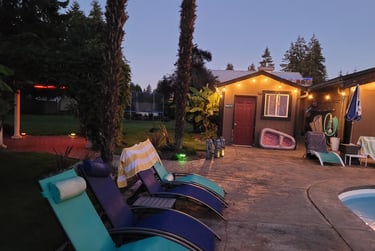
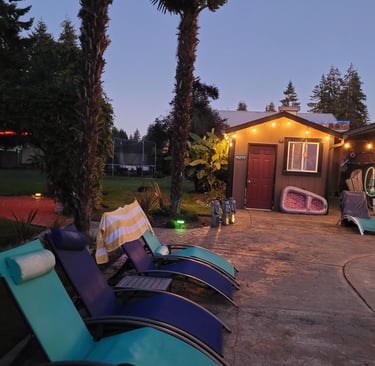
Patios used year-round, not just in summer
Covered or sheltered seating becoming daily-use space
Paths and walkways becoming part of routine movement, not decoration
This isn’t about adding features—it’s about designing for use.
Sound, Movement, and Atmosphere
Tropical landscapes are immersive by nature. Broad leaves catch rain, grasses move with light wind, and palms add vertical motion that changes with weather.
Over time, people become more aware of:
Rainfall patterns
Wind direction
Light shifts through the day
These subtle environmental cues are part of what makes tropical living feel restorative rather than performative.
If palms play a role in your space, these resources may be useful:
Seasonal Reality
Tropical living in the Pacific Northwest doesn’t ignore winter—it reframes it.
Winter highlights structure: trunks, fronds, evergreen backdrops. Summer brings fullness and enclosure. Spring and fall become transition seasons rather than problems to solve.
Gardens that acknowledge these rhythms tend to feel calmer and more resilient over time.
For a practical overview of seasonal transitions, see:
Maintenance as a Lifestyle Rhythm
Maintenance in a tropical-style garden often becomes lighter, not heavier.
Instead of constant pruning or correction, most work falls into predictable patterns:
Clearing debris after storms
Light seasonal cleanup
Occasional repositioning of containers
Soil health and flexibility matter more than strict schedules. For deeper context:
Why People Stick With This Style
Many gardeners experiment with tropical aesthetics—and then quietly commit to them long-term.
The reasons are rarely technical. They’re experiential:
The garden feels personal
The space encourages presence
The landscape evolves rather than demanding reinvention
Tropical living in the Northwest isn’t about escape. It’s about creating a space that feels alive where you already are.
Where to Go Next
If this perspective resonates, explore:
Each piece dives deeper into specific aspects, but they all support the same idea: tropical landscapes here are not novelties—they’re livable, sustainable, and deeply rewarding.
Contact Us
© 2025. All rights reserved.
Terms and Conditions
Affiliate Disclosure
Some links on this site may be affiliate links. As an Amazon Associate I earn from qualifying purchases.