
Cold-hardy Palm Trees for The Pacific Northwest
With my tips and tricks
12/29/20255 min read
Cold-Hardy Palm Trees for the Pacific Northwest
Growing palm trees in the Pacific Northwest may sound unrealistic, but with the right species and proper care, palms can thrive even in regions with winter frost, heavy rain, and occasional snow. Over the years, cold-hardy palms have proven themselves as reliable landscape plants across Western Washington, Oregon, and similar climates.
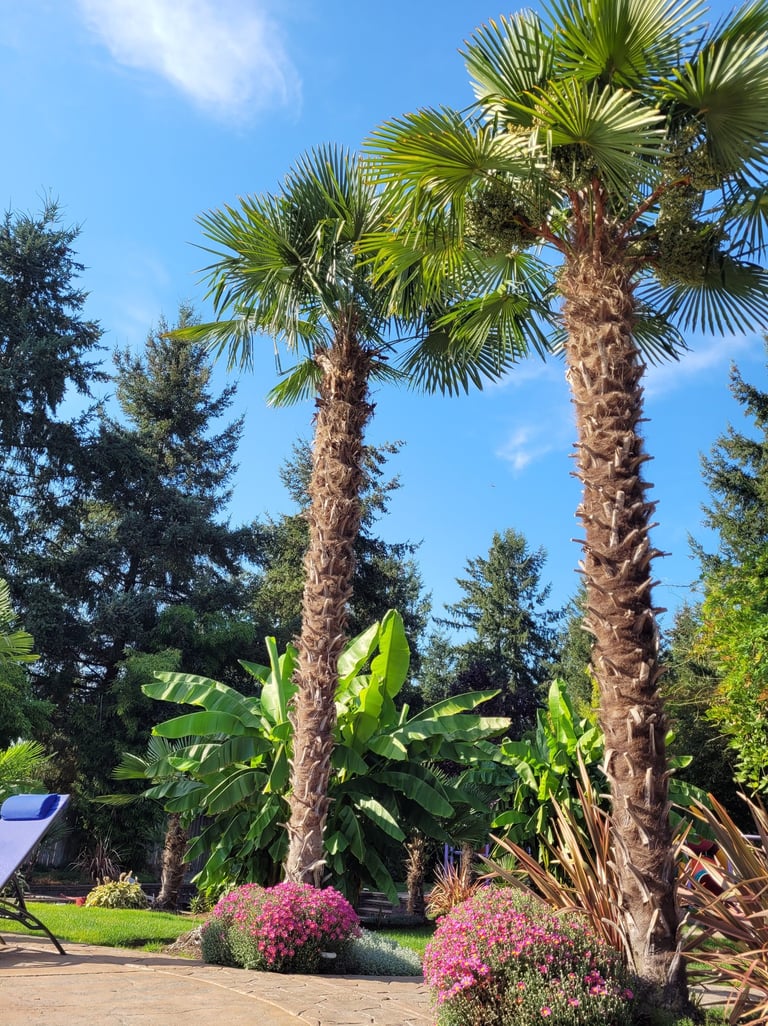
I started with palms about six years ago, after purchasing a home with an abundance of palms already growing. Western Washington provides a great climate (Zone 8) for these plants to thrive and propagate.
Why Cold-Hardy Palms Work in the Pacific Northwest
The Pacific Northwest presents a unique growing environment. Winters are cool and wet rather than brutally cold, and summers are mild. These conditions favor certain palm species that tolerate moisture, limited heat, and short cold snaps.
Unlike tropical palms that require sustained warmth, cold-hardy palms evolved in mountainous or temperate regions. When planted correctly, these palms can survive temperatures well below freezing.
Our winter lows are typically 30-32 degrees with dips to 28ish. Snow fall is low to medium depending on the year.
USDA Hardiness Zones in the Pacific Northwest
Most lowland areas of Western Washington and Western Oregon fall within USDA Zones 8a to 9a. These zones are well within the tolerance range of several cold-hardy palm species.
However, microclimates matter. Elevation, wind exposure, soil drainage, and proximity to water all affect winter survival.
My yard has great drainage and low wind exposure which helps with growth. ZONE MAP
Best Cold-Hardy Palm Trees for the Pacific Northwest
Windmill Palm (Trachycarpus fortunei)
The Windmill Palm is the most reliable and widely grown palm in the Pacific Northwest. It tolerates temperatures down to approximately 5–10°F once established and handles wet winters better than most palms.
Fast-growing for a palm
Tolerates snow and freezing rain
Performs well in coastal and inland PNW climates
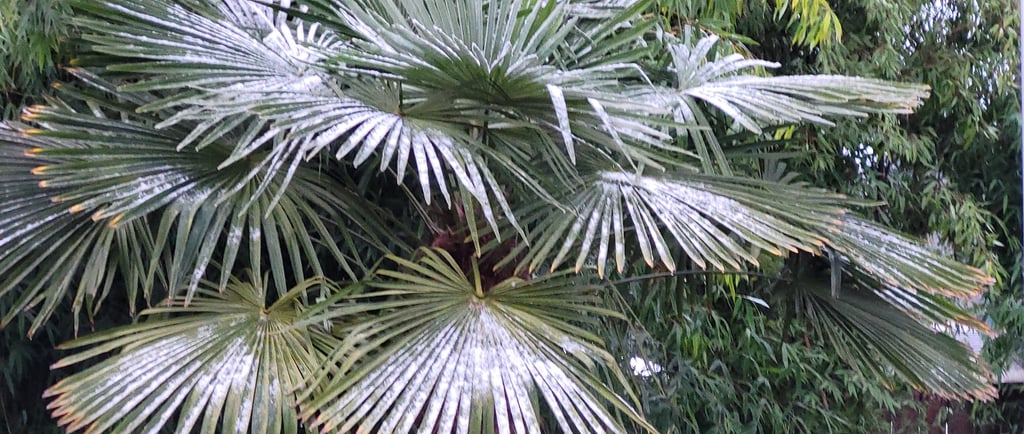
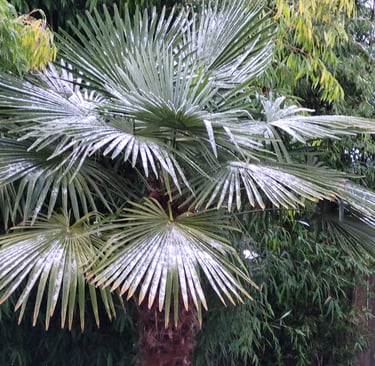
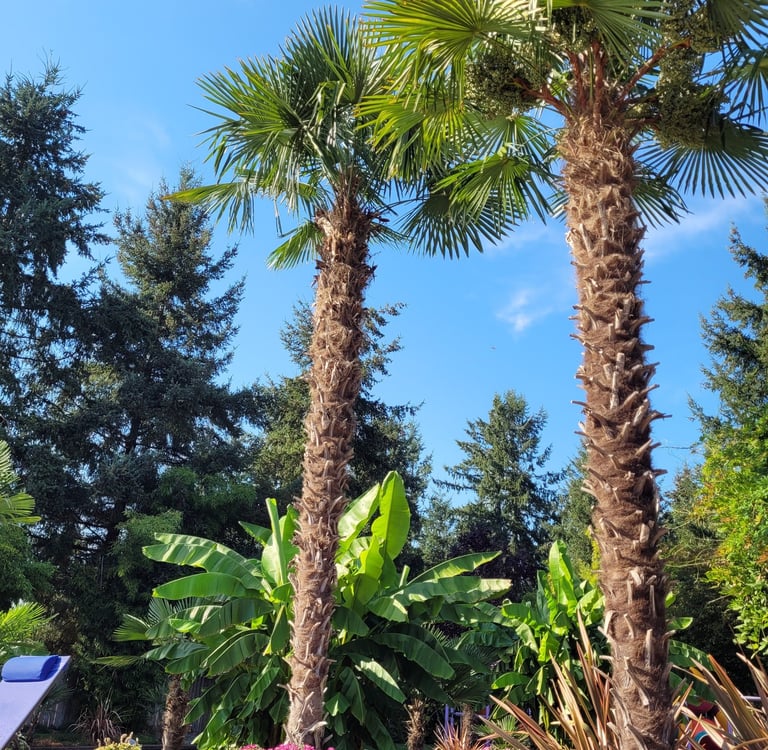
Currently growing seedlings less than a year old to Palms that are 20+ years old. Over the course of six years we have experienced light to medium snow fall and occasional freezing rain. I have noticed no degradation of growth or negative impacts during this time.
Needle Palm (Rhapidophyllum hystrix)
Needle Palm is considered the most cold-hardy palm in the world, surviving temperatures near 0°F. It grows slowly and remains shrubby but is extremely durable.
Excellent for colder inland areas
Very resistant to cold damage
Prefers well-drained soil
More on the Needle Palm
Sabal Minor (Dwarf Palmetto)
Sabal Minor is another highly cold-tolerant palm, often surviving temperatures near 0°F. It grows slowly and stays low to the ground, making it ideal for protected garden spaces.
Extremely cold tolerant
Low maintenance once established
Slow growth
Cold-Hardy Banana Palms (Musa basjoo)
While not true palms, cold-hardy banana plants are one of the most popular tropical-looking plants grown alongside palms in the Pacific Northwest. Musa basjoo is the most reliable banana variety for cold climates and is widely grown across Western Washington and Oregon.
Unlike palms, banana plants are herbaceous perennials. Their trunks (pseudostems) often die back in winter, but the roots survive underground and send up new growth each spring.
Can survive winter temperatures well below freezing with mulch
Extremely fast-growing in summer
Provides a bold, tropical appearance
In the Pacific Northwest, banana plants typically require winter protection to preserve height, but even without protection they often return each year from the roots.
We have just encountered our first bout of freezing temperatures. These palms die out after the first freeze of the season. Plant leaves turn brown and wilt, extending down the trunk as the winter progresses. Stalks can be left as is or cut down to the ground to grow again during the spring.
Windmill Palms vs Banana Palms:
Windmill palms and banana palms are often planted together in Pacific Northwest landscapes, but they behave very differently during winter. Understanding these differences helps set realistic expectations and prevents unnecessary concern or plant loss.
Windmill Palms (Trachycarpus fortunei) are evergreen and retain their trunk and fronds year-round. In most Pacific Northwest winters, established windmill palms experience little to no damage, even after snowfall or brief freezing events. When cold damage does occur, it is usually cosmetic and limited to older fronds.
Banana Palms (Musa basjoo) are not evergreen. Their above-ground growth typically dies back once sustained freezing temperatures arrive. This dieback is normal and does not mean the plant has died. New shoots usually emerge in late spring as soil temperatures warm.
Key winter differences:
Windmill palms remain upright and green year-round
Banana palms often collapse or turn brown above ground
Windmill palms rarely need protection once established
Banana palms will regrow starting in early spring
I have found that both seedlings and mature Windmill palms survive our PNW winters. I have found the Banana palms are easier to dispose of once they have dried out over the winter.
Soil and Drainage Requirements
One of the most common reasons palms fail in the Pacific Northwest is poor drainage. Cold-hardy palms tolerate cold far better than wet, compacted soil.
Best practices include:
Raised planting areas if soil is heavy clay
Amended soil with gravel or coarse sand
Avoiding low spots where water pools
Winter Protection: When and When Not to Protect Palms
Most established cold-hardy palms do not require protection during normal PNW winters. Protection is usually only needed during unusually cold events or prolonged freezes.
Simple protection methods:
Mulching around the base
Temporary frost cloth during extreme cold
Avoid wrapping palms too early
Keeping a full canopy helps to retain heat, not trimming late in the summer.
Common Mistakes PNW Gardeners Make With Palms
Planting tropical palms not suited for cold
Overwatering in winter
Poor drainage
Expecting fast growth in cool summers
We have a lot of rain in our area; my palms have not been affected by overwatering. We have good drainage.
How Long Do Cold-Hardy Palms Take to Establish?
Most palms take 2–3 growing seasons to fully establish in the Pacific Northwest. During this period, consistent watering in summer and protection from extreme cold help ensure long-term success.
Once established, palms become surprisingly resilient and low maintenance.
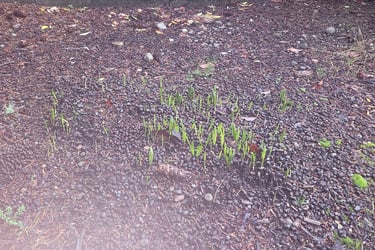
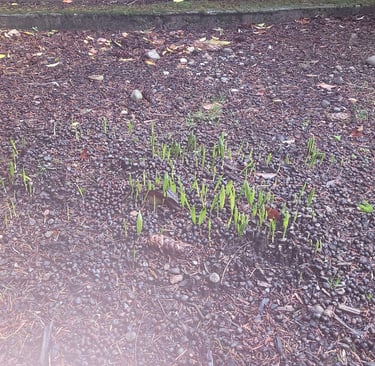
Windmill seedlings from 1-2 years are the most fragile, however I have not done anything different to protect them during our mild winters.
Are Cold-Hardy Palms Worth Growing in the Pacific Northwest?
For gardeners looking to create a unique, exotic landscape without constant maintenance, cold-hardy palms are absolutely worth growing. When properly selected and planted, these palms provide year-round structure and visual interest.
My experience with Windmill and Banana palms, they are a great focus of my landscape.
Final Thoughts
Cold-hardy palm trees are not just possible in the Pacific Northwest — they are proven performers when matched with the right site and care. By choosing appropriate species, improving drainage, and understanding your local climate, you can successfully grow palms that thrive for decades.
Contact Us
© 2025. All rights reserved.
Terms and Conditions
Affiliate Disclosure
Some links on this site may be affiliate links. As an Amazon Associate I earn from qualifying purchases.