
Planting Windmill Palms in Late Spring: Best Timing and Setup for Pacific Northwest Success
Late spring is the best time to plant windmill palms in the Pacific Northwest. Learn timing, soil prep, placement, and tools for strong summer growth.
6/4/20263 min read
Late spring is one of the most important windows of the year for establishing tropical plants in the Pacific Northwest.
Soil temperatures are warming, rainfall is tapering off, and plants are entering active growth mode. For windmill palms, this creates the ideal opportunity to establish strong roots before summer heat and winter stress return.
If you’re new to cold-hardy tropical plants, you may also want to review a broader overview of suitable species here:
How to Choose Cold Hardy Palm Trees for Your Pacific Northwest Garden
Why Late Spring Is the Ideal Planting Window
In the pacific nortwest, late spring marks the shift from saturated soil conditions to workable, warmer ground that supports root growth.
During this period:
Soil temperatures increase enough for root expansion
Frost risk is minimal
Drainage conditions begin to stabilize
Planting now gives your windmill palm a full growing season to establish before winter protection becomes a concern.
How to Transplant a Palm Tree Without Killing It
Soil Preparation Matters More Than Timing
Even perfect timing won’t compensate for poor soil conditions.
Windmill palms tolerate more moisture than most tropical plants, but they still depend on proper drainage. One of the easiest upgrades is adding a soil amendment like pumice or perlite to improve airflow and prevent root rot.
Recommended tools and materials:
Organic perlite for drainage improvement
Pumice soil amendment for long-term soil structure
If you’re working with compacted soil, using a solid planting shovel or drain spade makes a noticeable difference during installation:
Heavy-duty planting shovel we like to shapen ours on a grinder
A simple adjustment here can mean the difference between slow decline and long-term success.
Choosing the Right Planting Location
Placement is one of the most overlooked factors in tropical plant success in the Pacific Northwest.
For best results:
Use south-facing exposure to maximize heat
Plant near structures to reduce wind exposure
Avoid low areas where water collects
Late spring is the right time to evaluate how your yard handles sunlight and drainage before committing to planting.
If you’re planning a larger layout, this ties directly into design strategy: see our Tropical Living & Design section.
Watering Strategy During Late Spring and Early Summer
A common mistake during this time of year is continuing winter watering habits.
As rainfall decreases, your watering approach needs to shift:
Avoid saturated soil conditions
Water deeply but less frequently
Monitor moisture levels rather than watering on a schedule
A simple moisture meter helps remove guesswork and prevents overwatering:
We run a multi-zone automated watering system for the whole yard running five days a week.
This becomes especially important heading into early summer when surface soil begins drying faster.
What to Expect After Planting
Windmill palms planted in late spring typically begin establishing quickly.
Early stages:
Root system development is the priority
Limited visible top growth at first and possible browning of older fronds
By mid-summer:
New fronds begin to emerge
Growth becomes more consistent
Supporting your palm during this phase with proper watering and soil conditions is far more important than fertilizing early.
If you plan to fertilize later in the season:
We use a common 16-16-16 fertilizer for all our plants and lawn. Two times a year on mature windmills and less for newer plantings
Common Late Spring Planting Mistakes
Even during ideal conditions, a few common mistakes reduce success rates:
Planting into heavy, unamended soil
Overwatering out of habit from winter months
Placing plants in exposed, windy areas
Ignoring microclimate differences within the yard
Most failures are not caused by temperature—they are caused by setup mistakes during planting.
Local Advantage: Acclimated Plants
One of the biggest advantages you can have is starting with plants that are already adapted to Pacific Northwest conditions.
Locally grown windmill palms:
Adjust faster to seasonal transitions
Show stronger survival rates
Respond better during the first growing season
This becomes especially noticeable during late spring when growth begins ramping up.
To see current inventory of Plants for Sale in south Thurston County.
Personal Experience Section
In my experience growing windmill palms in the Rochester, WA area, late spring plantings consistently outperform early spring installs. Once the soil has warmed and drainage improves, palms root faster and show stronger growth going into mid-summer—especially when placed in protected areas with good air movement and slight elevation.
Conclusion
Late spring gives you the best opportunity to establish windmill palms correctly in the Pacific Northwest.
By focusing on:
Proper soil preparation
Strategic placement
Controlled watering
You set your plants up for strong summer growth and reliable winter survival.
This is the stage where most long-term success or failure is decided.
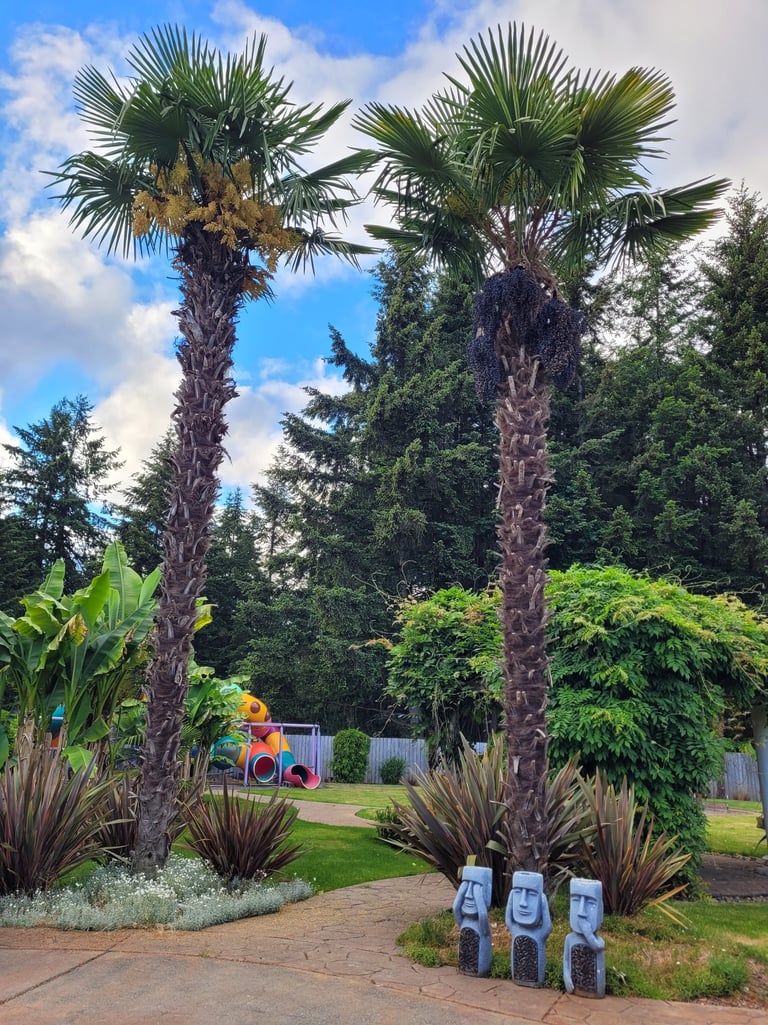
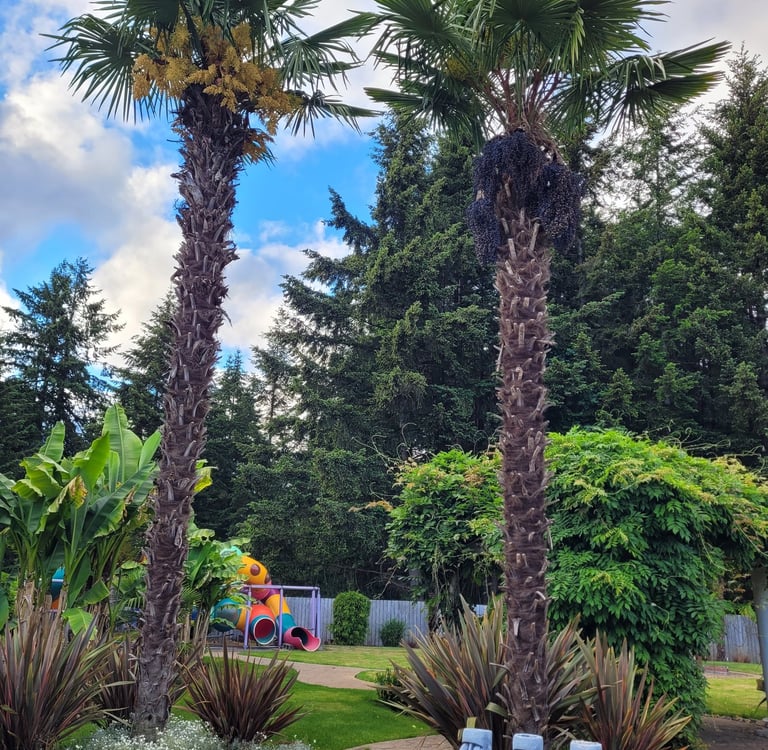
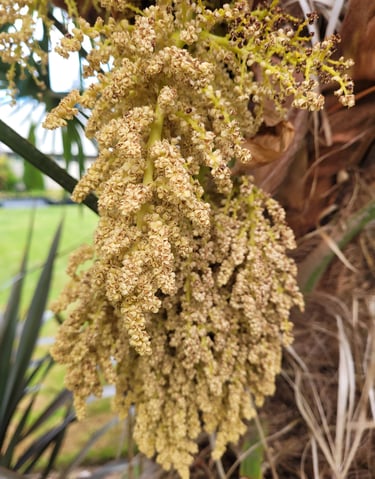
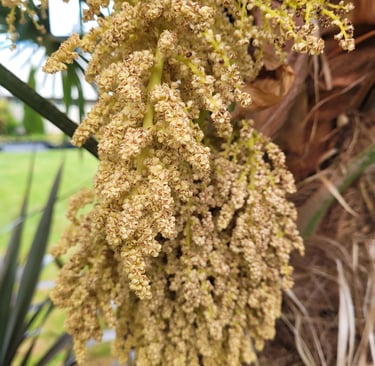
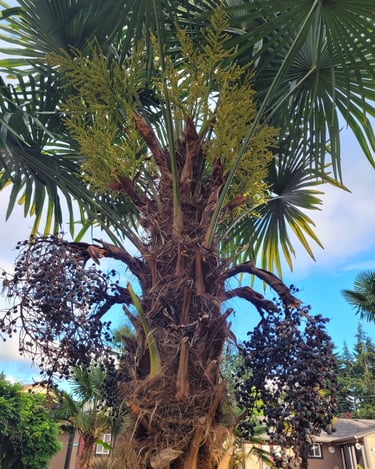
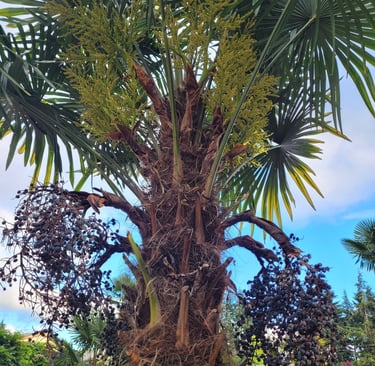
Male Pollen pods
New female seeds growing, old ones waiting to be cut off
Contact Us
© 2025. All rights reserved.
Terms and Conditions
Affiliate Disclosure
Some links on this site may be affiliate links. As an Amazon Associate I earn from qualifying purchases.