
How to Choose Cold Hardy Palm Trees for Your Pacific Northwest Garden
Discover which cold hardy palm trees thrive in the Pacific Northwest with this zone-by-zone guide. Learn how USDA hardiness zones affect palm selection, see which species survive winter cold, snow, and frost, and get practical tips for planting and care. This guide helps Northwest gardeners create a tropical-looking landscape that lasts year after year—even in cooler climates.
12/17/20253 min read
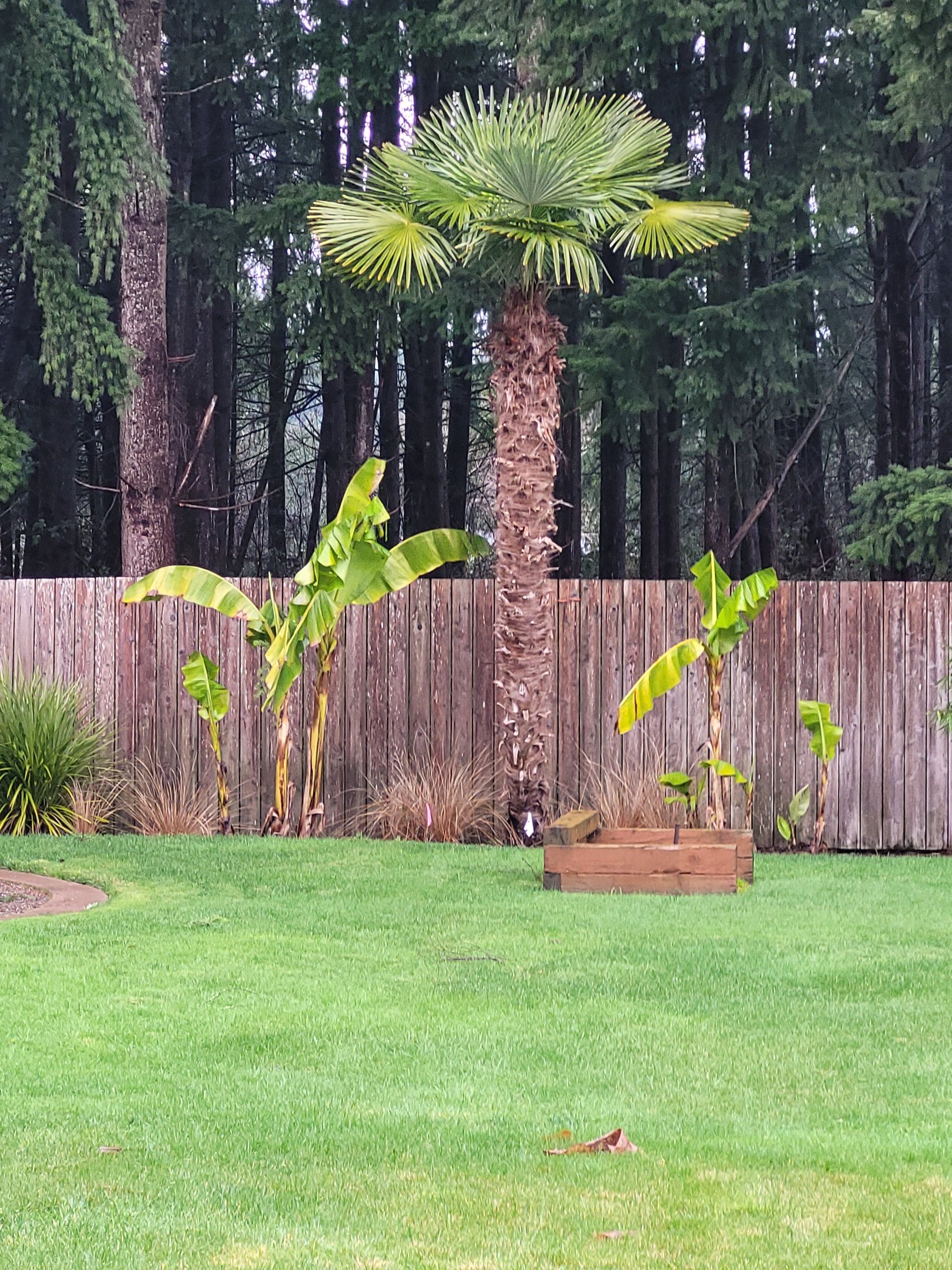
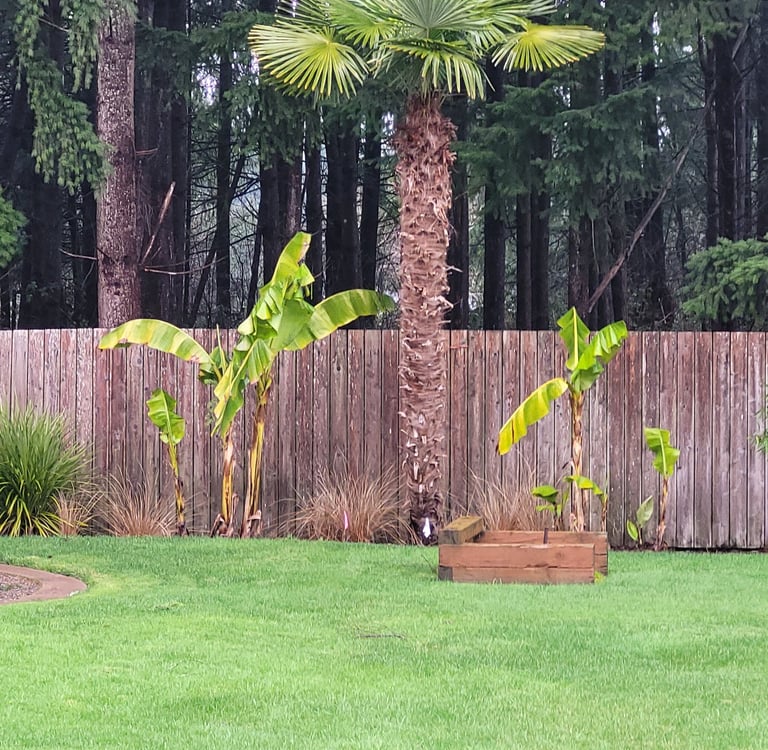
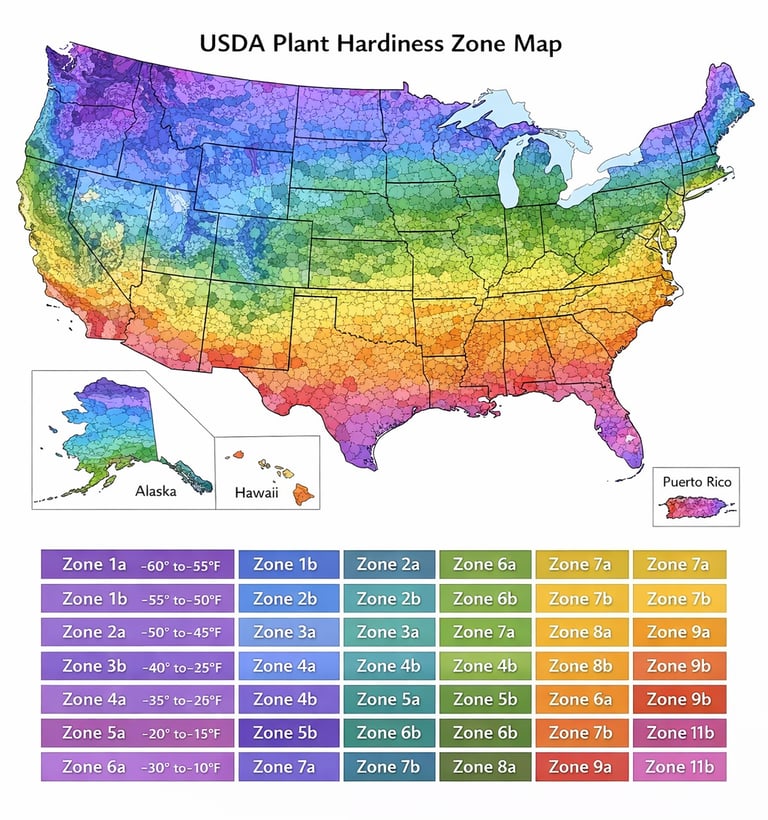
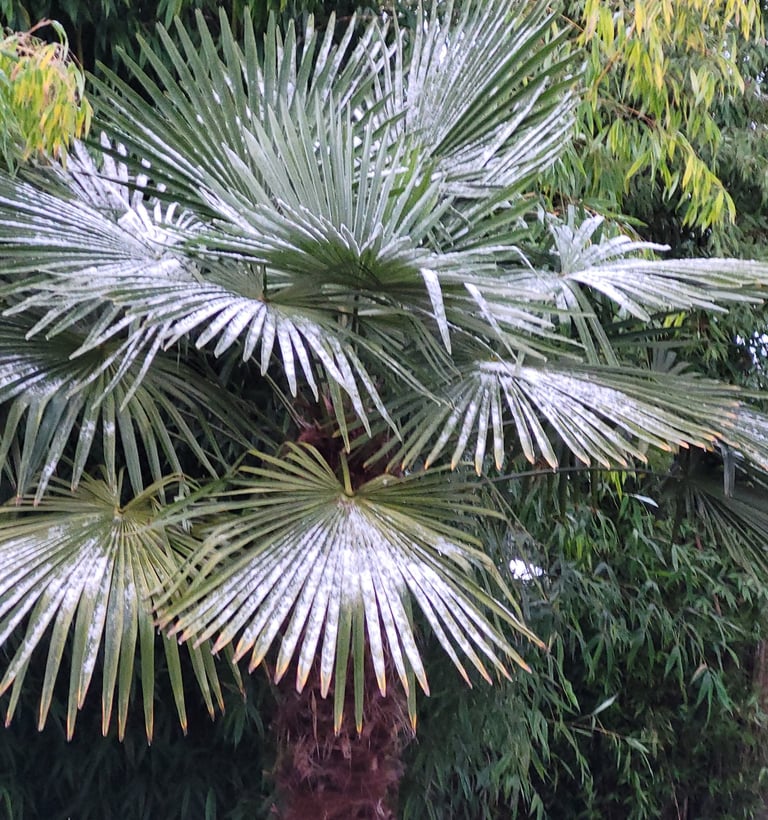
How to Choose Cold-Hardy Palm Trees for Your Pacific Northwest Garden
Choosing the right cold-hardy palm tree for a Pacific Northwest garden isn’t about finding the “hardiest” palm — it’s about matching the right palm to your specific conditions. Yard size, drainage, wind exposure, and maintenance expectations matter far more than hardiness ratings alone.
If you’re new to cold-hardy palms and want a complete overview of which palms grow in this region, start with this guide first:
Cold-Hardy Palm Trees for the Pacific Northwest.
This article focuses only on how to decide which palm is right for you.
Start With Your Garden Conditions (Not the Palm)
Many palm failures in the Pacific Northwest happen because gardeners choose a palm first and worry about conditions later. Reversing that order dramatically improves success.
Before selecting a palm, consider the following factors honestly.
How Much Space Do You Have?
Palm trees vary widely in mature size. Some develop tall trunks and wide canopies, while others remain compact for decades.
Small yards or tight spaces: Choose palms with slower growth or narrower crowns
Open landscapes: Larger palms with visible trunks can become focal points
Avoid planting large palms too close to buildings, fences, or overhead lines. In the Pacific Northwest’s mild summers, palms grow slower than in warmer climates — but they do eventually size up.
How Well Does Your Soil Drain?
Soil drainage is one of the most important decision points for PNW gardeners.
Poorly draining or clay soil: Choose palms known to tolerate moisture and cold together
Well-drained or amended soil: You have more flexibility in palm selection
If water pools after heavy rain, raised planting areas or soil improvement may be necessary regardless of species.
How Exposed Is Your Site to Wind?
Cold temperatures combined with winter wind cause far more damage than cold alone.
Windy or exposed sites: Favor palms with proven wind tolerance
Sheltered courtyards or south-facing walls: More options become viable
Wind exposure is especially important in rural or open areas of Western Washington and Oregon.
How Much Maintenance Are You Willing to Do?
Some palms thrive with minimal attention, while others benefit from extra care.
Ask yourself:
Do you want a palm that mostly takes care of itself?
Are you willing to mulch, wrap, or protect plants during extreme cold?
Choosing a palm that matches your maintenance tolerance prevents frustration later.
Do You Want Year-Round Structure or Seasonal Impact?
Not all tropical-looking plants behave the same way through winter.
Evergreen structure: Some palms stay upright and green year-round
Seasonal drama: Other tropical plants die back but return aggressively in spring
Deciding whether winter appearance matters helps narrow your choices significantly.
Matching Palms to Common PNW Scenarios
If You Want the Most Reliable, Low-Risk Option
Choose palms with a long track record in the Pacific Northwest and minimal protection requirements.
These palms are ideal for first-time growers and long-term landscape plantings.
If Your Soil Stays Wet in Winter
Select palms that tolerate moisture combined with cold, and avoid species that prefer dry winter conditions.
Improving drainage may still be necessary, but starting with a tolerant palm increases success.
If You Want Fast Visual Impact
Some palms and tropical plants produce rapid summer growth, even in cooler climates.
These options create a bold look quickly but may behave differently in winter compared to evergreen palms.
If You’re Gardening in a Colder or Inland Microclimate
Gardeners farther from the coast or at higher elevation should prioritize cold tolerance and wind protection over growth speed or size.
Microclimates can vary dramatically within short distances in the Pacific Northwest.
Common Mistakes When Choosing Palm Trees in the PNW
Choosing palms based on appearance alone
Ignoring winter drainage issues
Underestimating wind exposure
Expecting tropical growth rates in mild summers
Avoiding these mistakes saves years of trial and error.
Final Thoughts: Choose for Conditions, Not Labels
Cold-hardy palms can thrive in the Pacific Northwest when chosen thoughtfully. Instead of focusing on which palm is “best,” focus on which palm best fits your space, soil, and expectations.
Once you’ve narrowed down your options, explore detailed care guides and real-world experiences to ensure long-term success.
Next steps:
Read the full regional overview: Cold-Hardy Palm Trees for the Pacific Northwest
Explore species-specific care guides before planting
Plant Database for Identification
Contact Us
© 2025. All rights reserved.
Terms and Conditions
Affiliate Disclosure
Some links on this site may be affiliate links. As an Amazon Associate I earn from qualifying purchases.