
Fatsia japonica: The Best Tropical Foliage Plant for Pacific Northwest Shade Gardens
Learn how to grow Fatsia japonica in the Pacific Northwest, including shade, soil, watering, cold protection, and design tips for bold tropical foliage. Suggested slug
4/14/20266 min read
If you want a tropical look in the Pacific Northwest but do not have a hot, sunny garden, Fatsia japonica deserves a hard look. This bold evergreen shrub brings oversized glossy leaves, strong structure, and year-round presence to the spots where many tropical-looking plants struggle. In the right location, it can make a shady porch, woodland edge, foundation bed, or side yard feel lush without needing a lot of fuss.
For Pacific Northwest gardeners, that is a big advantage. We often have mild temperatures, wet winters, dry stretches in summer, and plenty of shade around fences, homes, and evergreen trees. Fatsia handles that combination better than many plants people first think of when chasing a tropical effect.
Why Fatsia japonica works so well in the Pacific Northwest
Fatsia japonica is one of those rare plants that can look exotic without being overly delicate. Its large, hand-shaped leaves immediately read as tropical, but the plant itself is much tougher than it looks. In western Washington and much of the milder Pacific Northwest, it can be a dependable evergreen anchor plant.
What makes it such a good fit is its ability to handle bright shade, filtered light, and sheltered low-light areas. It is especially useful for gardeners who want to fill the “dead zones” where lawn looks weak, flowers fade fast, and sun-loving tropical plants never really thrive.
Fatsia also gives you something valuable in a design sense: mass. One established plant can visually carry a whole section of bed. That means you can get a strong result without buying a large number of plants.
We have on Fatsia in the corner and under fir trees. As some leaves brown and fall off in the winter it comes back full and larger starting in late spring.
Best place to plant Fatsia japonica
The best location is usually part shade to full shade with some protection from harsh afternoon sun and strong winter wind. Morning sun is often fine. Deep shade is workable too, although growth may be a little looser and slower.
Look for spots like:
north or east side of the house
under high tree canopy
sheltered courtyard beds
entry areas with bright indirect light
woodland-style borders with rich soil
In hotter inland microclimates, too much direct afternoon sun can scorch the leaves. In colder exposed sites, winter wind can shred foliage. The sweet spot is a protected area with good light but not intense exposure.
Soil and drainage needs
Fatsia likes soil that holds moisture but still drains reasonably well. It is not a swamp plant, but it also does not want to bake dry for long stretches in summer. In many Pacific Northwest gardens, the native soil can work if it is improved a little before planting.
Mixing in compost is usually a good move. It helps both heavier and lighter soils by improving structure and moisture balance. A mulch layer also helps a lot, especially if the plant is growing under trees or near the house where rainfall may not soak evenly into the root zone.
Before planting, work in quality compost or top with an organic mulch to help even out moisture and improve soil texture around new Fatsia plants.
Watering: what it really wants
Newly planted Fatsia needs regular watering while it establishes. The first growing season matters most. You want the soil to stay evenly moist, not constantly soaked and not repeatedly bone dry.
Once established, Fatsia becomes more forgiving, but it still looks best with consistent moisture. In the Pacific Northwest, summer drought stress can cause a tired, droopy look long before the plant actually dies. If you want those leaves to stay lush and glossy, do not ignore it through July and August.
A simple rule works well:
water more regularly the first year
water deeply during dry summer stretches
reduce watering once fall rains return
A simple soaker hose or drip setup can make summer watering much easier, especially if Fatsia is planted in a shaded bed under trees.
How much cold can Fatsia take?
In much of western Washington and similarly mild Pacific Northwest areas, Fatsia japonica is usually hardy enough to stay outside year-round. That said, cold tolerance and winter appearance are not always the same thing. A plant may survive a cold spell but still show leaf damage afterward.
The biggest winter issues are usually:
cold drying wind
exposure to repeated freezes
sudden cold snaps on less established plants
heavy snow load on larger leaves
If your location gets occasional sharper cold than the surrounding area, planting near a wall, fence, or protected courtyard can make a real difference. Young plants also benefit from a little extra attention their first winter.
For first-winter protection during a cold snap, a basic frost cloth is a practical way to protect foliage on newer plants.
Growth habit and what to expect
Fatsia japonica typically grows as a broad evergreen shrub with a bold, architectural look. It is usually grown for foliage first, but mature plants can also produce clusters of creamy white flowers followed by dark berries.
In a Pacific Northwest garden, the main appeal is the structure:
large tropical-looking leaves
strong presence in shady beds
evergreen form through much of the year
useful contrast against fine foliage or grasses
It tends to look best when given enough room to show off its form. Cramming it into a tight mixed border can reduce the impact. Let it be a feature, not just filler.
Where Fatsia fits best in a tropical-style garden
This is where Fatsia really earns its place. It pairs well with other plants that create texture contrast. Think strap-leaf, ferny, or upright shapes around it rather than more rounded foliage everywhere.
Good companions can include:
tree ferns
phormium
hardy ferns
hostas in protected shade
tetrapanax in larger spaces
windmill palms in nearby brighter zones
darker evergreens for contrast
Because the leaves are so bold, Fatsia works especially well where you need a visual focal point. One plant near a path bend, entry, gate, or seating area can make the entire space feel more designed.
If you are building a broader tropical planting scheme, start with our Plants & Growing hub to see which bold foliage plants pair best in Pacific Northwest gardens.
Common mistakes with Fatsia japonica
The biggest mistakes are usually not complicated. They are mostly placement and watering issues.
Too much hot sun
This is one of the fastest ways to ruin the look. Scorched leaves lose that rich tropical appearance.
Planting in a dry root zone
Under large trees or deep eaves, the soil may be drier than it looks. Fatsia can struggle there without supplemental water.
Ignoring winter exposure
A plant in a windy, open location may survive, but it may not look good by late winter.
Overcrowding it
Fatsia needs enough room to display its leaf size and branching habit.
Expecting a desert plant
It is adaptable, but it is not the kind of plant that wants to be neglected through extended summer drought.
Is Fatsia japonica low maintenance?
For the right site, yes. That is part of the appeal. Once established, it does not need constant shaping or pampering. Most of the maintenance is basic:
remove damaged leaves when needed
mulch annually
water during dry summer periods
protect newer plants in unusual cold events
prune lightly if it outgrows the space
That combination of bold looks and moderate effort is why it is such a valuable plant for the Pacific Northwest.
Final thoughts
If your goal is a tropical-looking shade garden in the Pacific Northwest, Fatsia japonica is one of the smartest plants you can grow. It gives you dramatic foliage, evergreen presence, and a much bigger visual impact than many plants in the same amount of space. It is especially useful for the awkward shady areas where gardeners often struggle to create anything lush or memorable.
For many Pacific Northwest yards, the question is not whether Fatsia can work. It is whether you have a shaded spot that could look far better with one planted there.
Still deciding where to start? Read our Windmill Palm Care guide for another proven tropical-look plant that performs well in many Pacific Northwest gardens.
For more plant ideas in the same style, browse our cold-hardy palms guide to build out a layered tropical look.
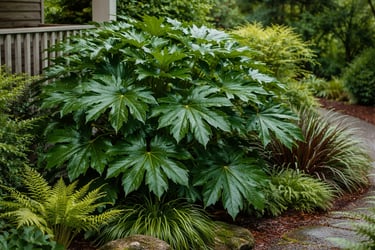
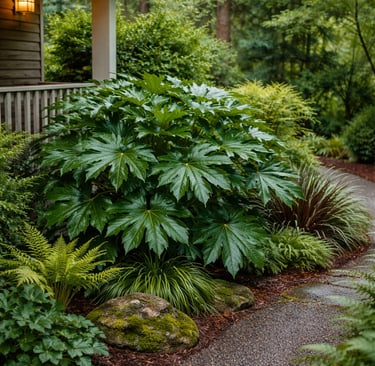
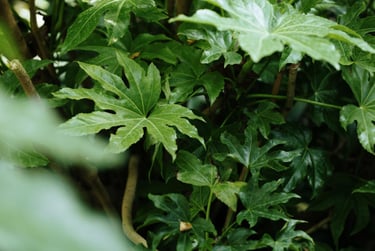
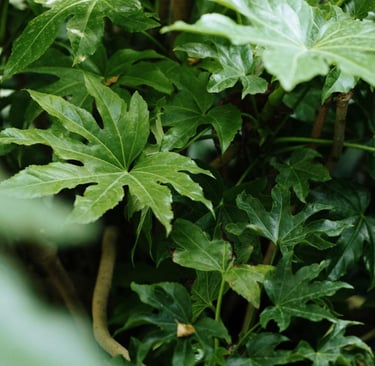
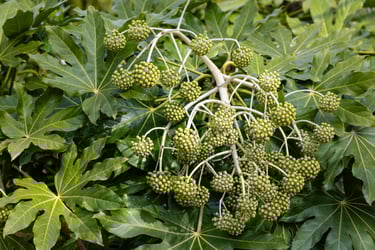
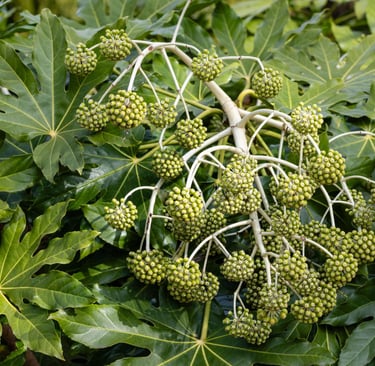
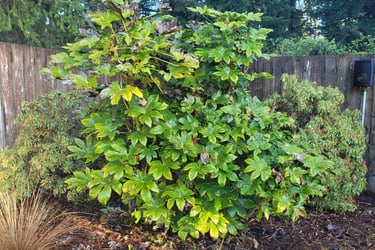
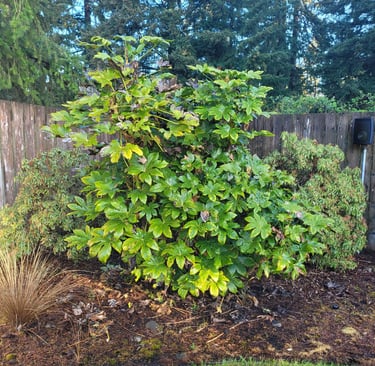
Our Fatsia Early Spring
Contact Us
© 2025. All rights reserved.
Terms and Conditions
Affiliate Disclosure
Some links on this site may be affiliate links. As an Amazon Associate I earn from qualifying purchases.