
Hosta vs. Fatsia japonica: Which Gives a Better Tropical Look in Pacific Northwest Shade Gardens?
Hosta or Fatsia japonica? Compare size, shade tolerance, tropical impact, winter interest, and best uses in Pacific Northwest gardens.
5/15/20266 min read
Hosta vs. Fatsia japonica: Which Gives a Better Tropical Look in Pacific Northwest Shade Gardens?
Shade gardens in the Pacific Northwest do not have to feel flat, quiet, or predictable. With the right foliage plants, a shaded corner can feel lush, layered, and almost tropical.
Two of the best options for that look are Hosta and Fatsia japonica.
Both bring bold leaves. Both work well in shade. Both can help soften patios, paths, foundation beds, and woodland-style plantings. But they create very different effects in the landscape.
If you are deciding between the two, the simple answer is:
Choose Hostas when you want lower, layered foliage with a wide range of colors and textures. Choose Fatsia japonica when you want a taller, evergreen plant with a stronger tropical statement. Hostas are herbaceous perennials that die back in winter, while Fatsia is a broadleaf evergreen shrub that keeps its structure year-round in suitable sites.
Quick Comparison: Hosta vs. Fatsia japonica
Hosta
Best for: Low, layered shade plantings
Overall look: Soft, full, mounded foliage
Winter presence: Dies back to the ground
Mature size: Varies widely by variety, from very small to giant forms
Light: Best in dappled shade, morning sun, or deeper shade depending on variety
Design role: Groundcover effect, border softener, underplanting, shade-garden filler
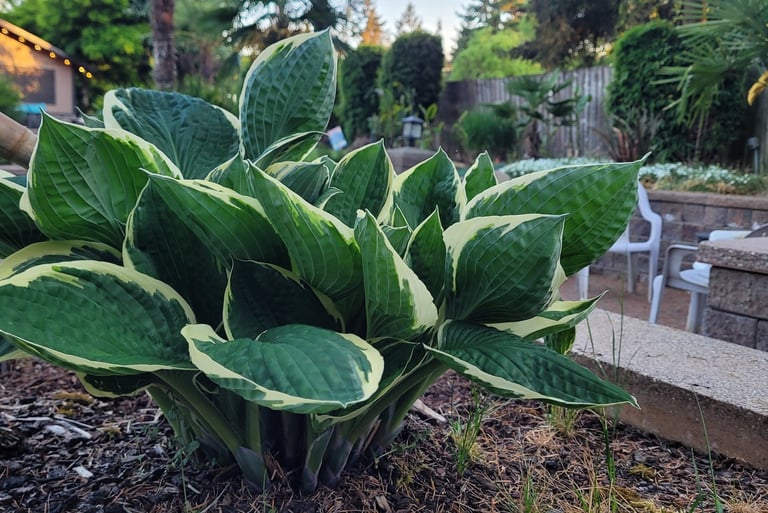
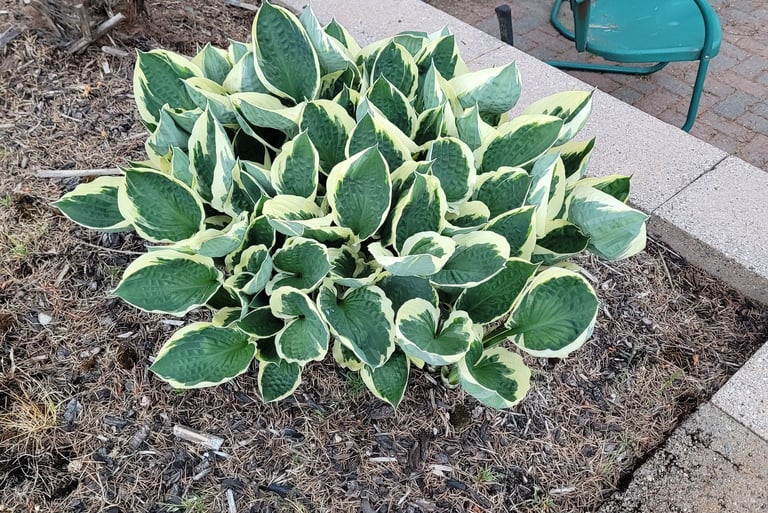
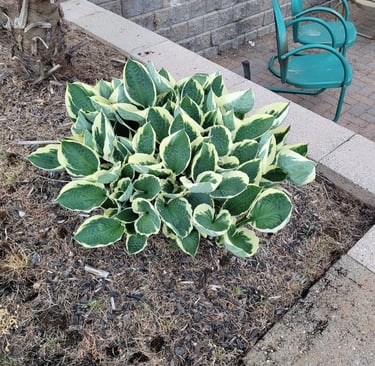
Hostas are grown primarily for foliage and come in a wide range of leaf sizes, colors, textures, and forms. They perform especially well in rich, moist, well-drained soils with filtered shade.
Fatsia japonica
Best for: Upright tropical structure in shade
Overall look: Bold, architectural, large-leaved shrub
Winter presence: Evergreen
Mature size: Can become a substantial shrub in favorable conditions
Light: Part shade to full shade; avoid harsh sun and exposed wind
Design role: Focal point, backdrop, foundation planting, tropical accent shrub
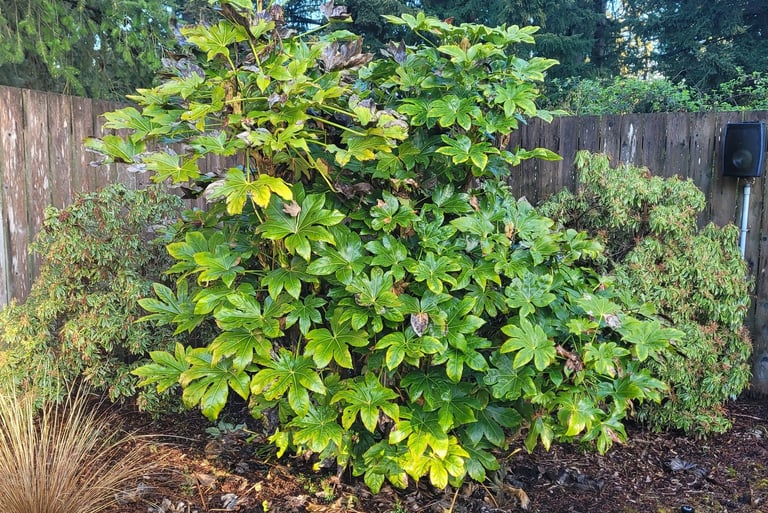
Fatsia japonica is a broadleaf evergreen shrub with large, palmately lobed leaves that naturally create a tropical appearance. It prefers moist, well-drained, humus-rich soil and sheltered shade conditions.
Which Plant Looks More Tropical?
Winner: Fatsia japonica
If your main goal is to create the strongest tropical impression, Fatsia japonica wins.
Its oversized, glossy, deeply lobed leaves instantly read as exotic. Even when surrounded by ordinary shade plants, Fatsia gives the planting a more dramatic, warm-climate feel. Because it grows as an evergreen shrub, it also adds height and structure rather than staying close to the ground.
Hostas can absolutely contribute to a tropical garden, especially giant or heavily textured varieties. Their broad leaves create a lush, full look, and massed hostas can make a bed feel cool and abundant. But their effect is usually soft and layered, not upright and architectural.
Best choice for a bold tropical focal point: Fatsia japonica
Best choice for lush tropical ground-level foliage: Hosta
For a deeper look at how to use Hostas for bold foliage in Pacific Northwest shade gardens, read our guide to growing Hostas for a lush tropical-style landscape.
If you want a plant that delivers year-round tropical foliage in shade, see our full guide to Fatsia japonica in Pacific Northwest gardens.
Which Plant Is Better for Shade?
Winner: Tie — but they use shade differently
Both plants are strong shade performers, but not in exactly the same way.
Hostas do especially well in dappled shade or morning sun with afternoon protection. Some varieties tolerate deeper shade, while yellow and gold forms often color up better with a little morning sun. Blue hostas generally need more shade to preserve their foliage tone and avoid scorch.
Fatsia japonica prefers part shade to full shade, especially in sites protected from hot sun and drying wind. Its large leaves can brown or suffer damage in full sun or exposed locations.
For a typical Pacific Northwest shade garden:
Use Hostas in woodland edges, beneath deciduous trees, beside shady paths, and around low garden borders.
Use Fatsia near north- or east-facing walls, sheltered patios, entry gardens, or as a leafy anchor at the back of a shaded bed.
A basic soaker hose or drip irrigation line can help keep shade beds evenly moist during the drier part of the Pacific Northwest summer.
Which One Gives Better Year-Round Interest?
Winner: Fatsia japonica
This is one of the biggest differences.
Hostas are beautiful from spring through fall, but they are seasonal foliage plants. Their leaves die back after colder temperatures arrive, and the plant rests below ground through winter.
Fatsia japonica is evergreen and keeps its large leaves through the winter in appropriate climates and sheltered sites. That makes it much more valuable for gardeners who want a tropical-looking landscape that does not disappear after the growing season ends.
Choose Hosta if: you are comfortable with a seasonal plant that returns each spring.
Choose Fatsia if: you want visible tropical structure through winter.
Which One Is Easier to Use in a Finished Landscape?
Winner: Hosta for flexibility; Fatsia for impact
Hostas are easier to tuck into many different spaces. Because they come in so many sizes, they can be used:
Along shady paths
Around patio edges
In front of shrubs
Near water features
Beneath taller tropical-looking plants
In groups for broad sweeps of foliage
Hostas are also easy to mix with ferns, hellebores, Japanese forest grass, astilbe, and other shade plants that create a layered Pacific Northwest woodland style. Their wide size range makes them very adaptable.
Fatsia is less flexible in small spaces, but much stronger as a design anchor. It works best where the garden needs height, a larger leaf shape, and a dramatic focal point. One mature Fatsia can visually carry a shaded planting in a way that several smaller perennials cannot.
Which One Needs More Protection?
Winner: Hosta is generally simpler
Hostas are widely grown, adaptable, and reliable shade perennials. Their main garden frustrations are usually pest-related rather than climate-related, especially slug damage and deer browsing. Extension sources list slugs, snails, and deer among common hosta problems.
For gardeners who regularly lose new Hosta growth to slugs, a simple Slug and Snail Bait can help protect containers, raised beds, and high-value shade plantings.
Fatsia japonica is not difficult, but it benefits from better placement. It performs best in a sheltered location, away from harsh sun and drying wind. Exposed conditions can cause leaf browning or tearing, and poorly drained soil can contribute to root problems.
or younger Fatsia plants or colder exposed garden spots, a lightweight plant frost cloth can be useful during unusually sharp winter cold snaps.
For many Pacific Northwest gardens, Fatsia is very workable — but it rewards thoughtful siting more than Hostas do.
Which One Works Better for a Tropical-Looking Shade Garden?
Choose Hosta when you want:
A lower plant for filling broad areas
A soft, layered, foliage-rich look
Many leaf colors and textures
Easy mixing with other shade perennials
A plant that supports lush understory design
Choose Fatsia japonica when you want:
A stronger tropical focal point
Evergreen structure
Large leaves at eye level
A statement shrub for patios, entries, or backdrop plantings
Year-round visual impact
The Best Answer: Use Both Together
In many Pacific Northwest shade gardens, the strongest design is not Hosta versus Fatsia — it is Hosta with Fatsia.
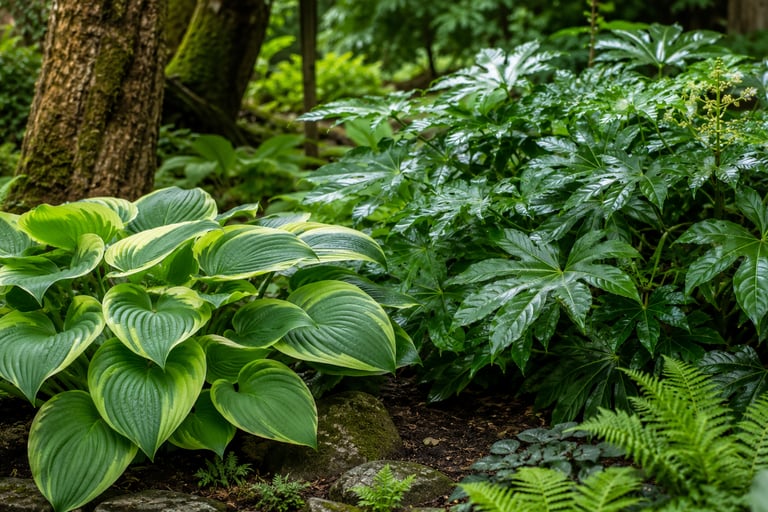
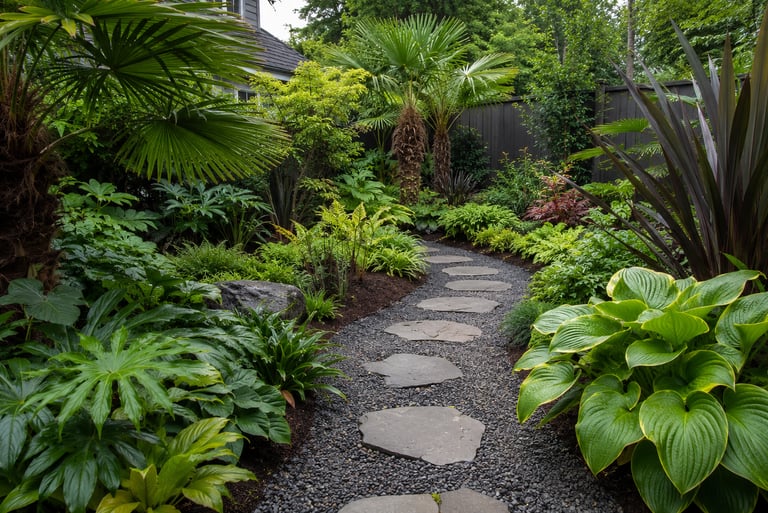
Use Fatsia japonica as the tall, evergreen backdrop or focal point. Then use Hostas around its base to create a fuller, layered planting that spreads the tropical feeling outward.
This pairing works because the plants contribute different things:
Fatsia adds height, structure, and drama.
Hostas add density, softness, and visual richness near the ground.
Together, they create a shade garden that feels more intentional, more layered, and much closer to the tropical-inspired look many Pacific Northwest gardeners are trying to achieve.
Field Note / Personal Experience Insert
[FIELD NOTE — ADD YOUR PERSONAL EXPERIENCE HERE]
In my own Pacific Northwest garden, I would use this section to describe where I have seen Hostas perform best versus where Fatsia creates the strongest tropical effect. A strong personal note could mention whether Hostas fill in faster in your shaded beds, how Fatsia looks through winter, or where one plant clearly outperforms the other in your conditions.
Final Recommendation
If you are choosing just one:
Pick Hosta for dependable, layered shade foliage that is easy to repeat through a garden.
Pick Fatsia japonica for a bigger, bolder, more tropical statement with evergreen presence.
If your space allows it, plant both. For Pacific Northwest gardeners trying to build a lush shade garden with real tropical character, Fatsia for structure plus Hostas for fullness is one of the best combinations.
Explore more cold-hardy foliage plants and tropical garden ideas in our Plants & Growing collection.
Click here to see our current inventory of plants for sale
Contact Us
© 2025. All rights reserved.
Terms and Conditions
Affiliate Disclosure
Some links on this site may be affiliate links. As an Amazon Associate I earn from qualifying purchases.