
Hostas: The Easy Tropical-Looking Shade Plant for Pacific Northwest Spring Gardens
Learn how to grow hostas in Pacific Northwest shade gardens for bold tropical-looking foliage, spring color, and easy low-maintenance texture.
5/12/20268 min read
Hostas: The Easy Tropical-Looking Shade Plant for Pacific Northwest Spring Gardens
Spring is one of the best times to notice hostas in the Pacific Northwest. As the weather warms up and the garden starts filling in, hostas push up fresh leaves that look clean, bold, and almost tropical — especially when they are planted in groups under trees, along shaded walkways, or near patios.
Hostas are not tropical plants, but they are one of the easiest ways to create a lush tropical feeling in a Pacific Northwest shade garden. Their broad leaves, strong clumping habit, and wide range of colors make them useful for gardeners who want big foliage without needing full sun.
If you are building a tropical-looking garden in the Pacific Northwest, hostas belong on the short list of reliable shade plants. For more plant ideas, start with the Plants & Growing guide.
Why Hostas Work So Well in Pacific Northwest Gardens
Hostas like many of the same conditions we naturally have in western Washington and the broader Pacific Northwest: mild spring weather, cool nights, partial shade, and soil that does not dry out too aggressively early in the season.
Most hostas perform best in partial shade to full shade with moist, well-drained soil. Consistent moisture is especially important during active growth, and deep watering is better than frequent shallow watering.
That makes them especially useful for areas where tropical-looking plants such as bananas, palms, or cannas may not be the right fit. Instead of fighting shade, hostas let you turn shaded spots into a feature.
Good places to use hostas include:
Shaded front beds
North-facing garden areas
Under small ornamental trees
Along shaded walkways
Around patios with morning sun and afternoon shade
Containers near porches or covered sitting areas
The Tropical Look Comes From the Leaves
The reason hostas work so well for Pacific Northwest Tropics is simple: foliage.
A good hosta clump gives you the same design benefit as a tropical leaf plant — big texture, layered color, and a lush look — but with much easier care in cool shade.
Large green hostas can give a bold jungle-like look. Blue hostas add a cooler, more shaded woodland feel. Variegated hostas brighten dark corners. Gold and chartreuse hostas can make a shady area look warmer and more alive.
This is where hostas become more than “filler plants.” Used correctly, they become part of the structure of the garden.
Best Hosta Types for a Tropical-Looking Garden
You do not need rare varieties to get a strong effect. The main thing is to choose hostas based on the role they play in the bed.
Large Hostas for Bold Tropical Foliage
Large hostas are best when you want big leaves and a dramatic clump.
Good choices include:
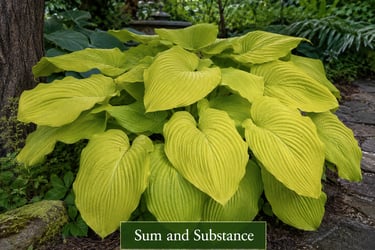
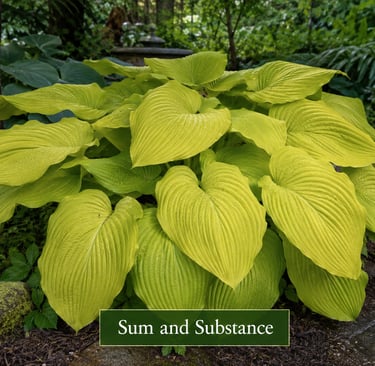
‘Sum and Substance’ — Large chartreuse leaves and a bold presence.
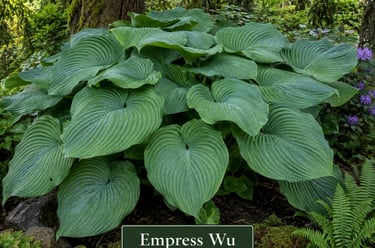
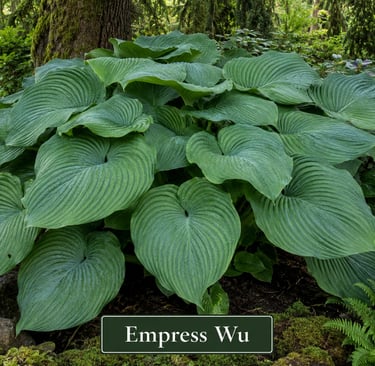
‘Empress Wu’ — Very large leaves and a strong focal-point look.
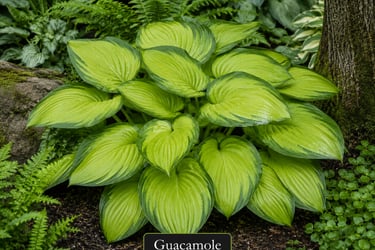
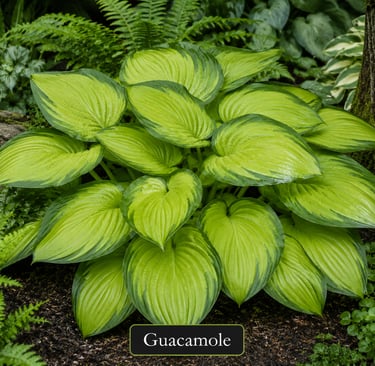
‘Guacamole’ — Bright green, glossy foliage with a warm tropical feel.
Use large hostas as anchor plants in shade beds. Give them room, because the whole point is to let the clump mature and show off.
Blue Hostas for Cool Shade
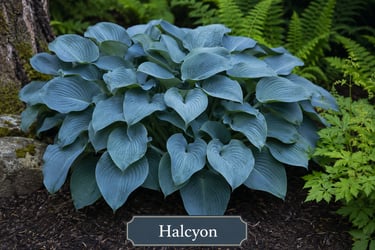
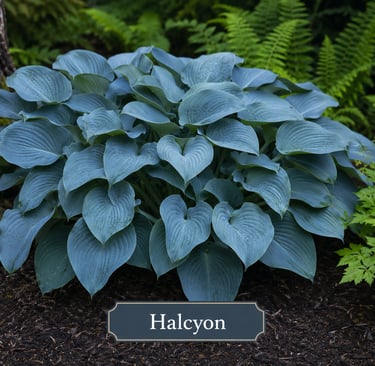
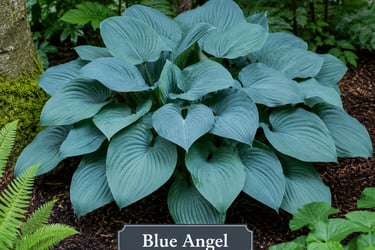
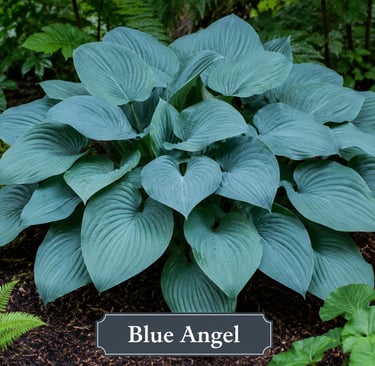
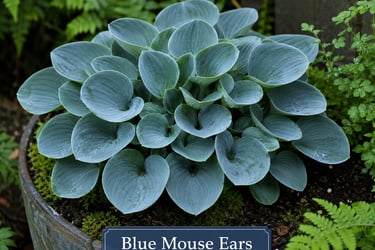
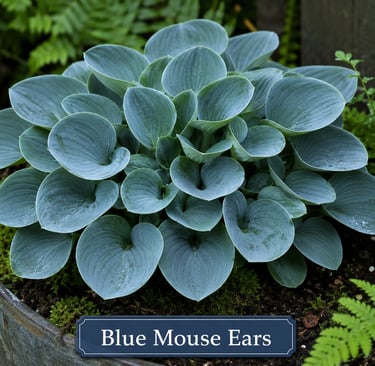
Blue hostas are excellent for shaded corners because they add a soft, almost smoky color. Blue hostas generally need more shade to hold their color well, because strong sun can reduce the blue waxy look on the leaves.
Good choices include:
‘Halcyon’
‘Blue Angel’
‘Blue Mouse Ears’
Blue hostas pair especially well with ferns, black mondo grass, dark containers, and shaded stone pathways.
Variegated Hostas for Brightening Dark Areas
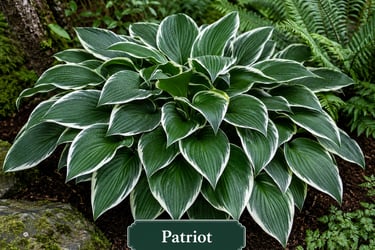
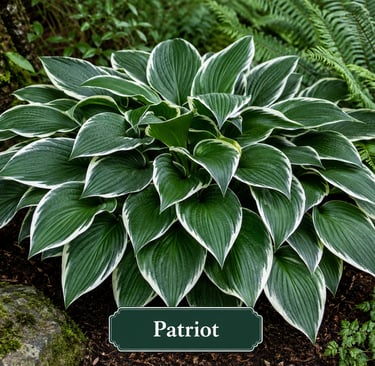
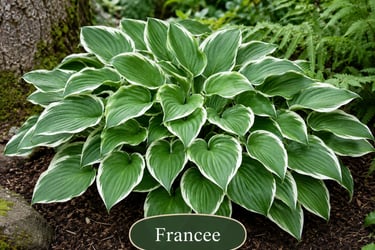
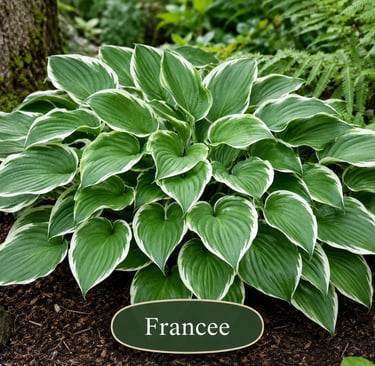
Variegated hostas are useful where the garden looks too dark or flat. Their white, cream, or yellow margins help reflect light and make shaded areas feel more intentional.
Good choices include:
‘Patriot’
‘Francee’
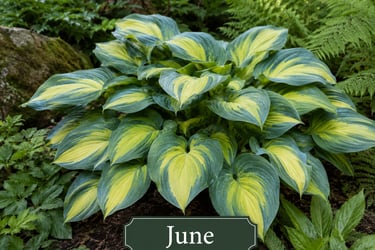
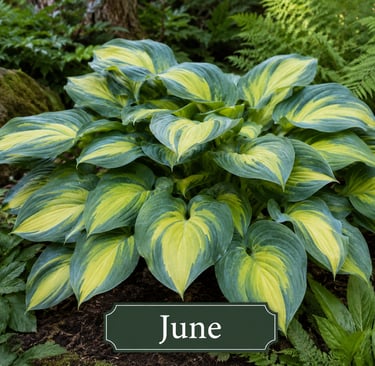
‘June’
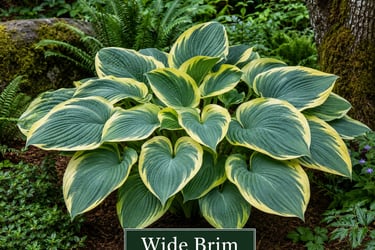
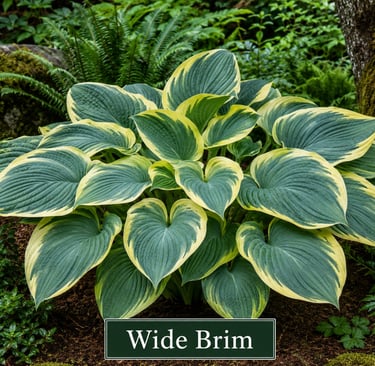
‘Wide Brim’
Use variegated hostas near walkways, patios, and seating areas where you want the foliage to show clearly.
Where to Plant Hostas in Spring
Spring is a great time to plant hostas because the soil is warming, the plants are actively growing, and there is usually enough natural moisture to help them settle in.
Choose a spot with:
Morning sun or filtered light
Afternoon shade
Loose, well-drained soil
Room for the mature clump
Protection from heavy foot traffic
Some airflow around the leaves
Avoid planting hostas in hot afternoon sun, especially blue or white-variegated types. Too much sun can scorch the foliage or make the leaves look tired by midsummer.
Gold or chartreuse varieties can often handle a little more morning sun, especially if the soil stays evenly moist. But in our area, afternoon shade is still the safer choice.
How to Plant Hostas
Dig a hole slightly wider than the root ball. Loosen the soil around the planting area so the roots can spread easily.
Set the crown of the plant near soil level. Do not bury it too deeply. Backfill with native soil improved with compost if needed, then water thoroughly.
Add a light layer of mulch around the plant to help conserve moisture, but do not pile mulch directly against the crown. Hostas like moisture, but they do not want to sit in soggy, airless conditions.
For early spring planting, a simple organic slow-release plant food can help hostas push strong new foliage without forcing weak, floppy growth. To keep things consistent with all our plants and grass we use 16-16-16 fertilizer on everything.
Watering Hostas in the Pacific Northwest
Hostas do not usually need complicated watering in spring, but they do need consistent moisture as the weather gets warmer. The goal is evenly moist soil, not constantly wet soil.
A practical rule is to water deeply when the top few inches of soil start to dry out. Hostas under trees may need extra water because tree roots compete heavily for moisture. Extension guidance notes that hostas generally do best with consistent moisture and deeper, less frequent watering rather than shallow watering.
Containers dry out faster than garden beds, so hostas in pots may need more attention once the weather turns sunny.
The Biggest Hosta Problem Here: Slugs
If hostas have one major downside in the Pacific Northwest, it is slug damage.
Slugs are active in cool, damp, shaded areas, and hostas create the exact kind of leafy shelter they like. They often feed at night and leave irregular holes in the leaves.
The best time to get ahead of slug damage is early spring, when new hosta leaves are just unfurling. Once the leaves are shredded, the plant may keep growing, but the damage stays visible for the season.
Ways to reduce slug damage:
Keep old leaves and debris cleaned up around the plants
Avoid piling mulch tightly around the crown
Give hostas enough spacing for airflow
Use traps or bait early in the season
Choose thicker-leaved varieties when possible
Check after rain or cool cloudy weather
If slugs are a problem in your shaded beds, a pet-safe slug bait or slug trap can help protect the new leaves before they get chewed up. We have had the best results multiple applications of Corry's Slug Bait.
Growing Hostas in Containers
Hostas are excellent container plants, especially for shaded patios, porches, and entryways. A large pot with a bold hosta can give the same full, leafy feel as a tropical container without needing a hot sunny location.
Use a wide container with drainage holes. Hostas do not like to dry out completely, but they also do not want to sit in standing water.
Container hostas work especially well near:
Covered porches
Shaded seating areas
North-facing entries
Patio corners
Under pergolas
Along shaded paths
For container hostas, use a good-quality potting mix and a wide decorative planter so the roots stay evenly moist through late spring and summer.
How to Use Hostas in a Tropical-Looking Planting
The best hosta plantings are layered. Instead of planting one hosta by itself, use it as part of a foliage group.
Try this simple layout:
Tall background plant
Large hosta clump
Fern or grass-like texture
Low groundcover or dark mulch
Stone, wood, or container accent
For example, a shaded bed could include Fatsia japonica in the background, large green hostas in the middle, and ferns along the front. Fatsia japonica is another excellent tropical-looking shade plant and pairs naturally with hostas because both plants bring bold foliage to lower-light areas.
In sunnier parts of the same garden, windmill palms can handle the structure and height while hostas carry the lush look into the shade. Hardy begonia is another tropical-looking shade plant that works well in protected Pacific Northwest gardens
Best Companion Plants for Hostas
Hostas look best when they are paired with plants that contrast their rounded leaves.
Good Pacific Northwest companion plants include:
Ferns
Fatsia japonica
Heuchera
Japanese forest grass
Hellebores
Astilbe
Carex
Solomon’s seal
Black mondo grass
Hardy begonias in protected spots
The goal is contrast. Pair big rounded hosta leaves with fine-textured ferns, upright grasses, dark foliage, or taller tropical-looking shrubs.
Field Notes From My Garden
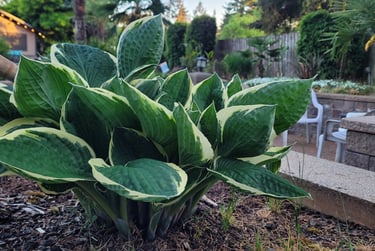
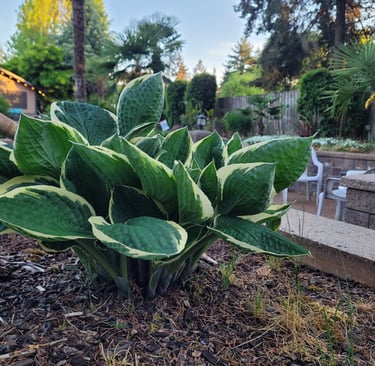
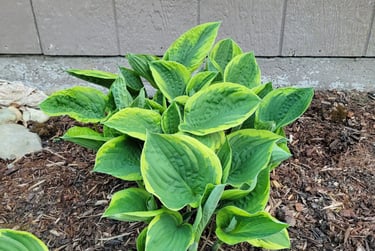
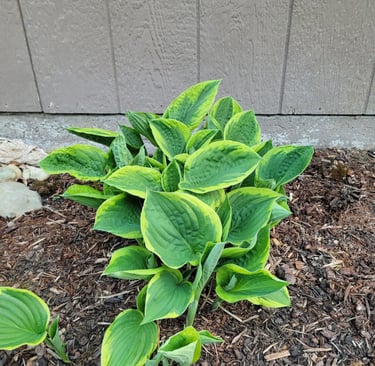
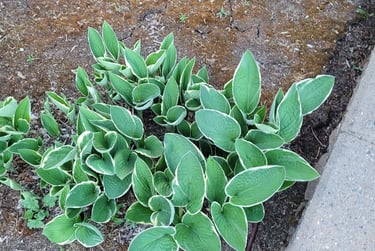
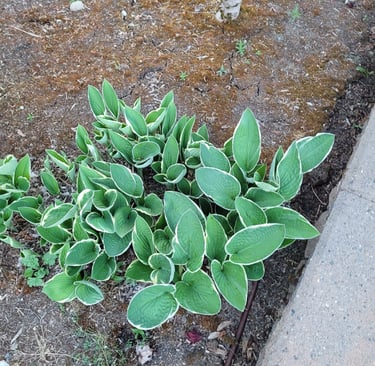
In our yard Hosts create solid corner markers for out fire pit area. We have many Hostas in various areas; they do thrive in shaded areas like under palm trees. Snails are an issue and a few applications of Corry's Slug & Snail Bait goes a long way to keeping them under control. Our Hostas die out every winter, so I cut the dead material off. They are easily propagated at this time.
Common Hosta Mistakes
The first mistake is planting hostas in too much afternoon sun. They may survive, but the leaves can scorch or fade.
The second mistake is planting them too close together. Small hostas at the nursery can become wide clumps later. Give them space so they look intentional, not crowded.
The third mistake is ignoring slugs until the damage is obvious. Spring prevention is much easier than trying to fix shredded leaves in July.
The fourth mistake is using hostas only as filler. A large hosta can be a real design plant if you give it room and pair it with the right companions.
Final Thoughts
Hostas are one of the easiest ways to add lush, tropical-looking foliage to a Pacific Northwest shade garden. They are reliable, widely available, and useful in the exact places where many sun-loving tropical plants struggle.
For spring planting, focus on good placement, consistent moisture, slug prevention, and strong foliage combinations. With the right hostas, even a shaded corner can feel full, layered, and alive.
For more ideas, explore the Plants & Growing guide and look for ways to combine hostas with palms, fatsia, ferns, and other tropical-looking plants that work in our climate.
For tips on dividing Hostas see When and How to Thin Overgrown Hostas
Contact Us
© 2025. All rights reserved.
Terms and Conditions
Affiliate Disclosure
Some links on this site may be affiliate links. As an Amazon Associate I earn from qualifying purchases.