
How to Create a Tropical Privacy Screen in the Pacific Northwest
Learn how to build a lush tropical privacy screen in the Pacific Northwest using hardy palms, bold foliage, layered plants, and practical design rules.
3/18/20265 min read
Why a tropical privacy screen works so well in the Pacific Northwest
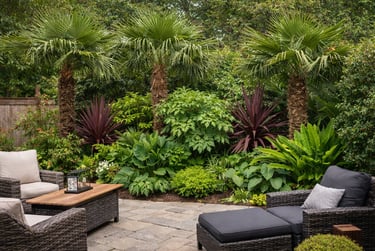
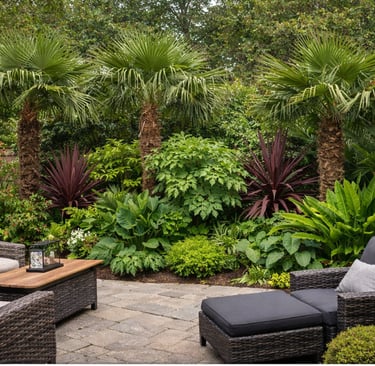
A tropical privacy screen is one of the best ways to make a Pacific Northwest yard feel more secluded, layered, and high end without relying on a plain fence line alone. The right combination of hardy palms, broad-leaf foliage, upright form, and low underplanting can soften hard edges, block unwanted views, and create that lush “vacation garden” look people want.
In Pacific Northwest conditions, the key is not just choosing tropical-looking plants. It is choosing plants that can handle cool temperatures, winter moisture, and long stretches of gray weather while still giving strong summer impact.
This approach works especially well along patios, property lines, hot tub areas, seating spaces, and narrow side yards where privacy matters but a heavy or closed-in look does not.
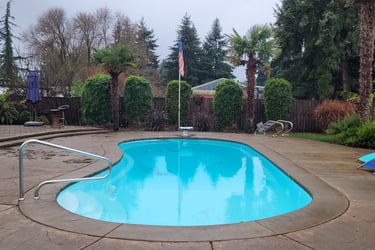
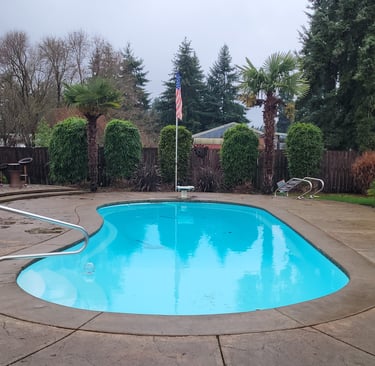
Our landscape uses Bamboo as the main boarder plant however we did not plan for the running bamboo and its growth throughout the beds and into the lawn. The clumping bamboo would have been a better choice. I still recommend using a Tree Root Barrier or concrete boarder to retain the rhizomes.
Quick plan for building the look
If you want a tropical privacy screen that actually works in the Pacific Northwest, keep the plan simple:
Start with structure using a few upright anchor plants.
Add bold foliage in the middle layer.
Fill the front edge with lower plants to hide gaps and bare stems.
Repeat plant shapes instead of using too many one-off choices.
Leave room for mature size so the planting looks intentional, not crowded.
The goal is not to cram the border full on day one. The goal is to build a layered screen that looks better each season.
Pacific Northwest design rules that matter most
A good tropical-style privacy planting in the Pacific Northwest follows a few rules.
Use vertical plants for the backbone.
Windmill palms, clumping bamboo where appropriate, and upright cordylines can give height and screening without making the space look heavy.
Mix leaf shapes.
The tropical effect comes from contrast. Fan leaves, strappy leaves, and oversized foliage together look much richer than repeating one texture over and over.
Think in layers.
Tall plants in back, medium foliage in the middle, and soft lower edging in front creates depth and hides the fact that many tropical-looking plants have visible trunks or stems over time.
Plan for winter appearance.
Some plants look great in peak summer but weak in late winter. In the Pacific Northwest, the best screen includes enough evergreen or semi-evergreen structure to still look good when the weather turns.
Do not overdo color.
Tropical design usually looks best when the drama comes from texture and form first. Green, deep green, blue-green, burgundy, and bronze are usually enough.
Best plant combinations for a tropical privacy screen
Here is a dependable formula for a Pacific Northwest tropical screen.
Back layer: height and structure
Use Windmill palm, Cordyline australis, or other hardy upright tropical-looking plants as the visual backbone. Space them so each plant has room to mature and show its shape.
Middle layer: bold tropical foliage
This is where the lush effect really happens. Bananas, Fatsia japonica, phormium, elephant ears in protected summer spaces, or other broad and dramatic foliage plants help fill the screen and create density.
Front layer: softening and finishing
Use lower fillers and edging plants to cover open soil, soften the base, and make the screen look complete. This front layer keeps the planting from looking leggy or too vertical.
A simple repeated planting palette nearly always looks better than a long list of random plants.
Step-by-step: how to build it
Step 1: Decide what view you are blocking
Stand in the main seating area and identify the exact sight line you want to soften or block. This may be a neighboring window, a fence, a road, or an unattractive corner of the yard.
Not every area needs a full-height wall of plants. Often a partial layered screen is enough.
Step 2: Mark the planting depth
A tropical privacy screen looks best when it has some front-to-back depth. Even a border that is only 4 to 6 feet deep can look full if it is layered correctly.
Shallow single-row plantings usually look stiff and do not give the same lush effect.
Step 3: Place the anchor plants first
Set the tallest structural plants in position before anything else. These are your palms or other upright focal plants. Step back and make sure the spacing looks balanced from the main viewing angle.
A few properly placed anchors usually look better than too many.
Step 4: Fill around them with bold foliage
Once the structure is set, add medium-height plants with large leaves or strong texture. This is where the tropical look comes alive.
Focus on repeated forms and avoid mixing too many unrelated shapes.
Step 5: Finish the lower edge
Use lower-growing plants, mulch, and possibly decorative pots to make the planting feel intentional right away. The front edge is what gives the whole area a polished look.
Step 6: Allow for growth
One of the biggest mistakes is planting everything too tightly because the bed looks sparse at first. In a couple of seasons, spacing matters. Give plants room to mature.
Budget, mid-range, and premium build options
Budget version
Use a small number of anchor plants and rely on fast-filling foliage around them. This version works well if you are building the screen over time rather than all at once.
Good fit for: smaller patios, side yards, starter borders
Mid-range version
Use a stronger backbone of structural plants plus a fuller middle layer. This gives a more finished look sooner and usually creates better privacy by the second growing season.
Good fit for: patio borders, fence softening, backyard seating areas
Premium version
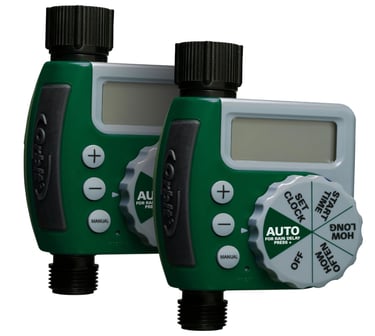
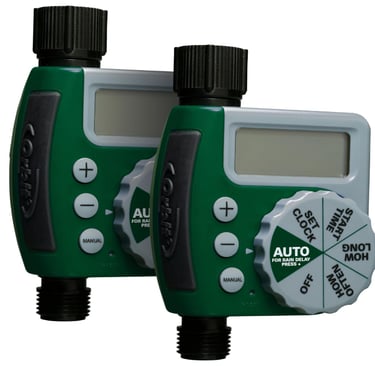
This version combines larger specimen plants, layered foliage, decorative containers, lighting, better hardscape integration and automated irrigation. The result feels more like an outdoor room than a planted border.
Good fit for: entertaining spaces, pool or hot tub privacy, showcase backyard design
Common mistakes to avoid
Planting a single straight row
This usually looks flat and does not create the lush layered effect most people want.
Using plants that are not hardy enough for your site
A tropical look only works long term if the plant choices match your actual winter conditions.
Ignoring mature size
Plants that look small now can crowd each other later and ruin the clean layered design. This is exactly what happend with our landscaping.
Relying only on summer foliage
A screen should still have some structure when the season shifts.
Skipping mulch and finishing details
Good design is not just plant selection. Clean edges, mulch, pots, and lighting make a major difference.
See more design ideas: Tropical Living & Design
Final design takeaway
The best tropical privacy screen in the Pacific Northwest is not about copying a warm-climate planting exactly. It is about using hardy, architectural plants in a way that gives the same feeling: bold foliage, layered depth, soft movement, and strong visual separation.
When done well, it adds privacy, improves the garden year-round, and creates one of the highest-impact tropical design features you can build in a Pacific Northwest landscape.
Contact Us
© 2025. All rights reserved.
Terms and Conditions
Affiliate Disclosure
Some links on this site may be affiliate links. As an Amazon Associate I earn from qualifying purchases.