
Raised Beds vs In-Ground Planting for Tropical Plants in the Pacific Northwest
Raised beds vs in-ground planting for tropical plants in the Pacific Northwest. Learn which method works best for drainage, warmth, and plant growth.
3/9/20262 min read
Why Planting Method Matters in the Pacific Northwest
Growing tropical-style plants in the Pacific Northwest presents a unique challenge: cool wet soil.
Many tropical plants thrive in warm, well-drained soil. Unfortunately, Western Washington soils are often heavy clay and remain cold well into spring.
Because of this, planting method can make a significant difference in how well plants establish and grow.
Two primary approaches are commonly used:
• Raised garden beds
• Traditional in-ground planting
Each method has advantages depending on the plant and site conditions.
Raised Beds: The Fastest Way to Improve Soil
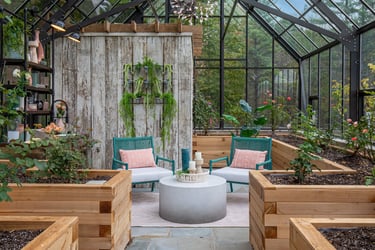
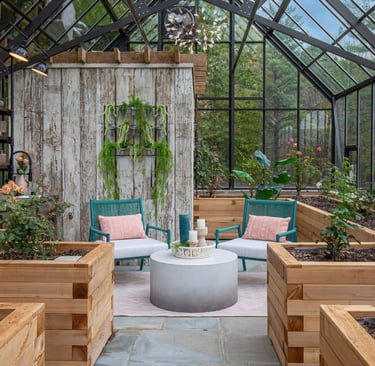
Raised Garden Beds dramatically improve growing conditions for many tropical plants.
Benefits include:
• Faster soil warming in spring
• Improved drainage
• Better root oxygenation
• Easier soil amendment
Plants such as cannas, bananas, hibiscus, and gingers often perform significantly better when grown in raised beds.
The added warmth in the soil can accelerate early season growth.
When In-Ground Planting Works Well
Not all plants require raised beds.
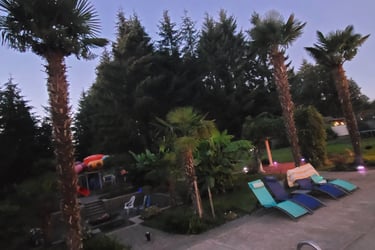
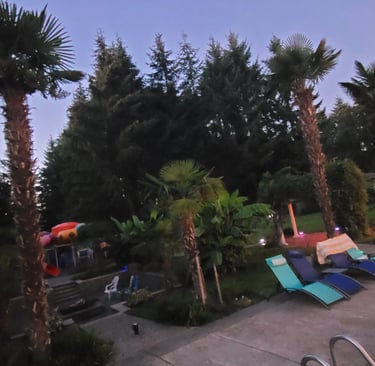
Large structural plants such as palms and tetrapanax often perform perfectly well planted directly in the ground.
Advantages of in-ground planting include:
• Deeper root development
• Less frequent watering
• Greater long-term stability for large plants
In areas with naturally well-draining soil, in-ground planting can work extremely well.
Soil Drainage Is the Key Factor
Drainage is usually the deciding factor between the two methods.
If your soil:
• Holds standing water in winter
• Feels sticky or compacted
• Drains slowly after rain
Raised beds are usually the better option.
If your soil drains freely and contains sand or gravel, in-ground planting may work perfectly.
Soil Temperature Differences
Raised beds warm more quickly in spring because they are elevated above surrounding soil.
This can benefit tropical plants that prefer warm soil conditions.
In many Pacific Northwest gardens, raised bed soil may warm 2–5°F faster than surrounding ground soil.
That small temperature difference can accelerate early plant growth.
Premium Raised Bed Garden Soil
A Hybrid Approach Works Best
Many tropical gardens combine both methods.
Example layout:
• Structural palms planted in-ground
• Bananas and cannas planted in raised beds
• Accent plants used in containers
This approach allows gardeners to optimize soil conditions for each plant type.
Raised Bed Design Tips for Tropical Gardens
When building raised beds for tropical plants:
• Use 12–18 inch depth for root development
• Incorporate compost and organic matter
• Use natural materials like stone or wood
• Position beds in full sun when possible
Curved raised beds often blend more naturally into tropical landscapes than square vegetable-style beds.
Common Mistakes
Avoid these issues:
Overfilling raised beds with pure compost
Using untreated construction lumber that rots quickly
Building beds too shallow for large plants
Proper bed depth and soil composition are essential.
Many Pacific Northwest gardeners notice dramatic improvements in plant growth after switching to raised beds, especially in heavy clay soil.
Large foliage plants like cannas and bananas often produce noticeably bigger leaves and faster growth when planted in warm, well-draining raised beds.
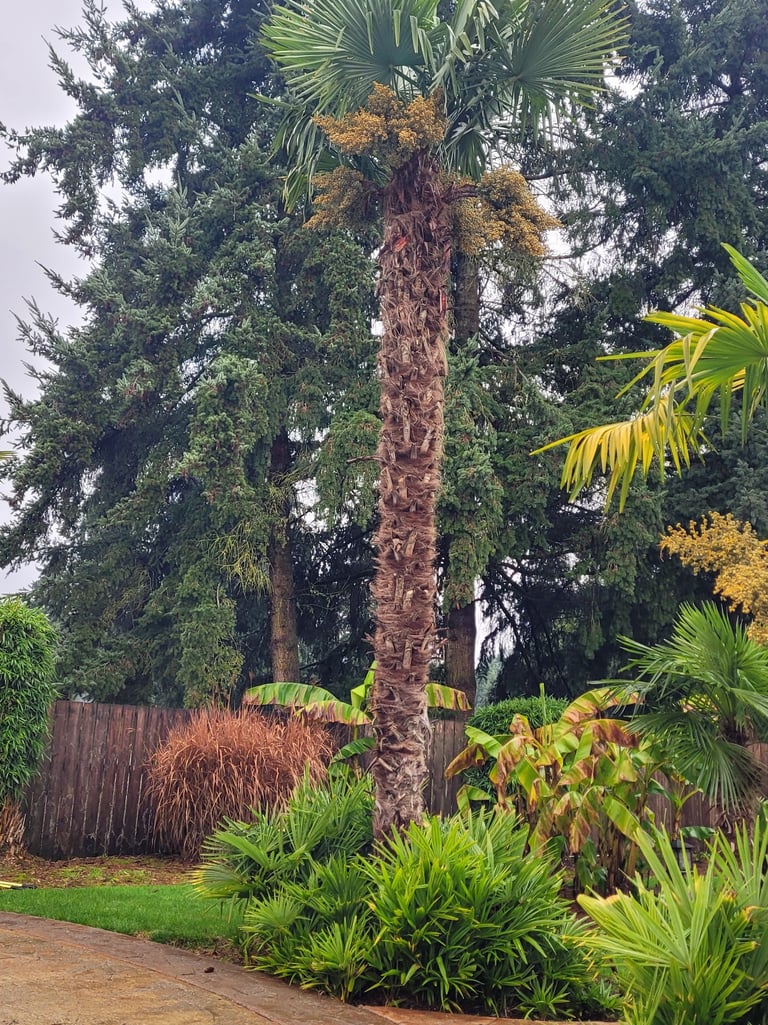
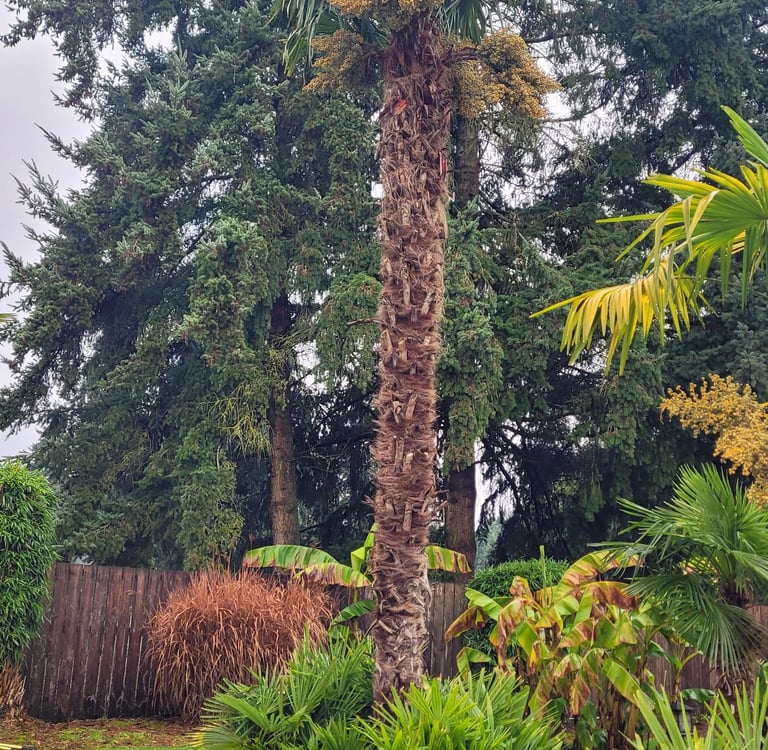
Our landscape and growing areas are exclusively in ground, we have excellent draining soil and good ground coverage for heat retention.
For smaller patios, decks, and entryways, see our guide to building a tropical container garden in the Pacific Northwest.
Contact Us
© 2025. All rights reserved.
Terms and Conditions
Affiliate Disclosure
Some links on this site may be affiliate links. As an Amazon Associate I earn from qualifying purchases.