
When and How to Thin Overgrown Hostas
Learn when and how to thin overgrown hostas in a Pacific Northwest garden, including signs they need dividing, the best seasons and proper aftercare.
7/16/20265 min read
When and How to Thin Overgrown Hostas
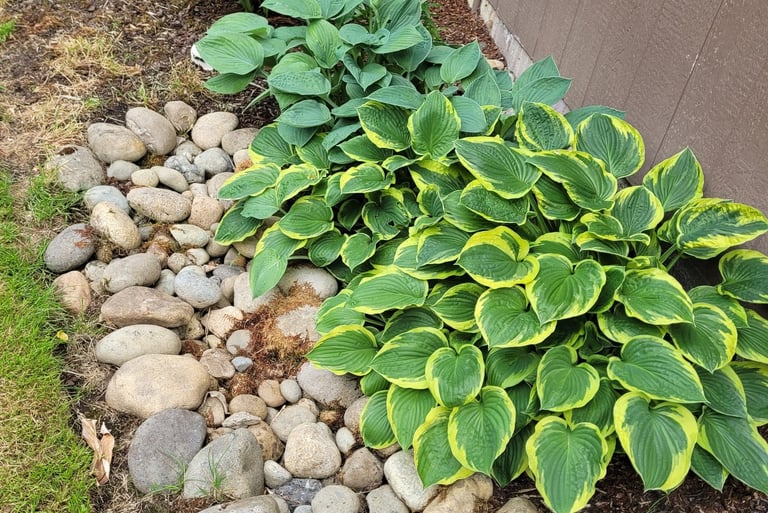
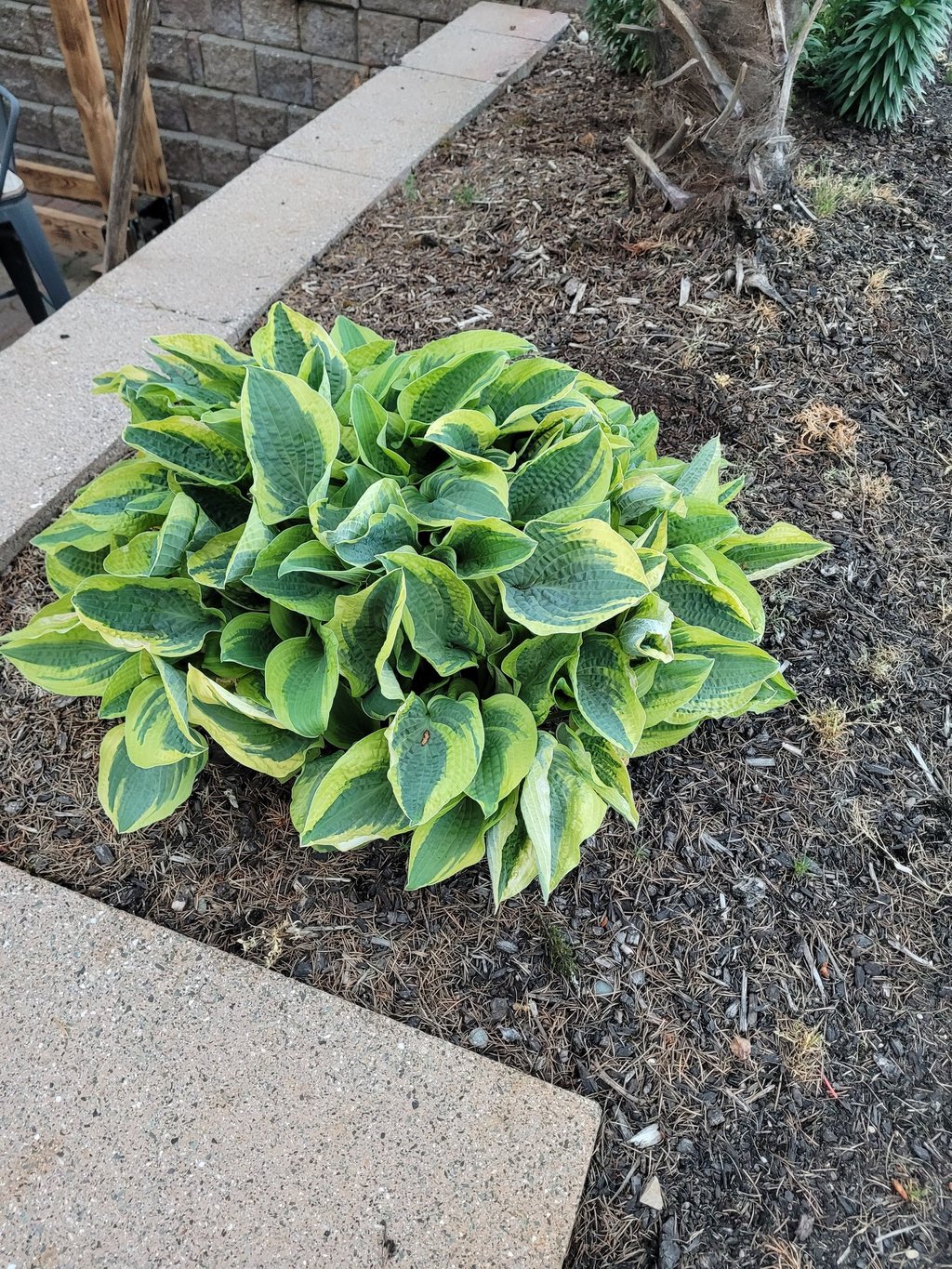
Hostas can fill a shady garden bed beautifully, but mature clumps sometimes become wider than expected. Their leaves may cover nearby plants, crowd a pathway or grow beyond the space originally planned for them.
When that happens, gardeners often say the hosta needs to be “thinned.” The better horticultural term is dividing. Instead of trimming away healthy leaves, you separate part or all of the crown into smaller rooted sections.
Dividing allows you to control the plant’s size, open space around neighboring plants and create additional hostas for other parts of the garden.
Does a Large Hosta Really Need to Be Divided?
A hosta does not need division merely because it is old or impressive in size. Healthy hostas can remain undisturbed for many years.
Consider dividing a hosta when:
The plant has grown beyond its intended space.
Leaves are covering a walkway or neighboring plants.
Several hostas have merged into one crowded mass.
The center of the clump has become sparse or weak.
The plant produces smaller leaves than it did previously.
You want additional plants of the same variety.
If the hosta is large but healthy and still fits the landscape, it may be better to leave it alone. Division is primarily a method of size control, propagation and rejuvenation—not an annual maintenance requirement.
The Best Time to Divide Hostas
The easiest time to divide a hosta is early spring, when its pointed shoots—often called eyes or pips—have emerged but the leaves have not fully opened.
At this stage, you can see where the individual growing points are located, the foliage is less likely to be damaged and cool spring weather reduces transplant stress.
A second good opportunity occurs in early fall. Wait until the strongest summer heat has passed, but complete the job early enough for the divisions to begin forming new roots before cold weather arrives.
What About Dividing Hostas in Summer?
Hostas can survive summer division, but midsummer is not the preferred time. Large, fully opened leaves lose considerable moisture, and freshly disturbed roots may struggle during hot or dry weather.
For a Pacific Northwest garden in July, this is a good time to:
Identify which hostas have become too large.
Decide how much space each plant should occupy.
Mark possible locations for the new divisions.
Prepare planting areas for an early-fall project.
Divide immediately only when a plant must be moved because of construction, severe crowding or another unavoidable reason. Choose a cool or cloudy day, keep the roots moist and provide consistent water afterward.
Thinning Versus Dividing the Entire Hosta
You do not always have to remove the whole plant.
Remove a Section From the Edge
For basic size control, use a sharp spade to remove a wedge from the outer edge of the clump. This method causes less disruption and allows the main plant to remain in place.
Insert the spade vertically around the section you want to remove, cut beneath its roots and lift it from the soil. Fill the resulting opening with good garden soil or compost.
Lift and Divide the Entire Clump
Lift the entire hosta when:
The center has become weak or hollow.
The plant needs to be relocated.
You want to substantially reduce its size.
You want several new plants.
This method requires more work, especially with an old hosta that has developed a dense crown and extensive root system.
How to Divide an Overgrown Hosta
1. Water the Plant in Advance
Water the hosta thoroughly one day before dividing unless the soil is already evenly moist. Moist soil is easier to work, and a well-hydrated plant handles root disturbance better than a dry one.
Avoid working in saturated, muddy soil.
2. Prepare the New Planting Area
Choose the new location before lifting the hosta. Hostas generally perform best in moisture-retentive, well-drained soil with partial shade or filtered light.
Dig the planting holes wide enough to spread the roots naturally. Having the new location ready prevents the divisions from drying while you work.
how to use hostas in a Pacific Northwest tropical garden
3. Cut Around the Clump
Use a sharp garden spade or digging fork. Begin several inches outside the visible crown to preserve as many roots as possible.
Work around the plant, loosening the soil from multiple sides before attempting to lift it. Large clumps may require two garden forks or assistance from another person.
I use a sharp shovel or transplanting spade and sharpen it on a bench grinder to penetrate soil easier.
4. Expose the Crown
Gently shake away loose soil or rinse enough soil from the roots to see the crowns and growing points.
You do not need to remove every trace of soil. The goal is simply to identify natural separations and avoid slicing directly through emerging shoots.
5. Separate the Plant
Small or loosely rooted hostas may pull apart by hand. Dense, mature clumps may require a sharp garden knife, spade or pruning saw.
Each new division should contain:
At least one healthy growing point.
A substantial portion of attached roots.
Firm crown tissue without soft or rotting areas.
A division containing several growing points usually produces a fuller-looking plant sooner than a single-eye division.
Cutting apart clumps can be easier with a Hori-Hori gardening knife.
6. Inspect Each Division
Remove dead roots, damaged crown tissue and any weeds growing through the root mass.
This is also a good opportunity to inspect the plant for unusual mottling, distorted leaves or other symptoms that could indicate disease. Do not propagate or share a hosta that appears diseased, and clean cutting tools between plants.
7. Replant at the Correct Depth
Set each division with the crown at approximately the same depth at which it was previously growing. Spread the roots outward rather than folding them tightly beneath the plant.
Backfill with soil, press gently to remove large air pockets and water thoroughly.
Planting too deeply can bury the crown and contribute to poor growth. Planting too shallowly can leave roots exposed.
8. Provide Consistent Aftercare
Keep newly divided hostas evenly moist while their roots become established. They should not remain waterlogged, but they should not be allowed to dry severely.
A light layer of mulch can conserve moisture, but keep mulch away from direct contact with the crown.
Some leaves may wilt or become damaged following division. Remove badly damaged leaves, but leave healthy foliage in place so the plant can continue producing energy.
How Small Should the Divisions Be?
It is possible to separate a hosta into many small pieces, but that does not mean you should.
For faster landscape recovery, divide a large hosta into two, three or four substantial sections. Each section will retain more roots and usually regain a mature appearance sooner.
Very small single-eye divisions are useful when the goal is maximum propagation, but they may require several growing seasons to become visually substantial.
For most home landscapes, larger divisions offer the best balance between controlling the original plant and quickly establishing the new ones.
What to Do With the Extra Hostas
Healthy divisions can be:
Replanted elsewhere in the shade garden.
Used to repeat foliage patterns along a path.
Planted beneath palms or other tropical-looking specimens.
Grown temporarily in nursery pots.
Shared with friends and neighbors.
Hostas combine especially well with Japanese forest grass, ferns, hellebores, astilbe and other shade-tolerant foliage plants.
Pacific Northwest Field Note
Our landscape has many Hostas, they do outgrow their beds about every other year and need to be divided. In the past I have just relocated to other areas needing foliage. This fall I will divide to pots and sell during next spring and summer on our Plants For Sale page.
In our Pacific Northwest climate, moisture is usually plentiful during spring, but established tree roots can make shaded garden beds surprisingly dry later in summer. That is one reason spring and early fall are generally more forgiving than midsummer for hosta division.
Common Hosta-Dividing Mistakes
Avoid these common problems:
Dividing during hot, sunny weather without adequate aftercare.
Allowing exposed roots to dry before replanting.
Making every division too small.
Planting the crown deeper than it was originally growing.
Cutting blindly through the crown without locating the growing points.
Dividing and sharing a plant that shows possible disease symptoms.
Assuming every large, healthy hosta must be divided.
The Bottom Line
Thin or divide a hosta when it has outgrown its location, is crowding nearby plants or has developed a weak center—not simply because it has reached a certain age.
Early spring is usually the easiest time because the shoots are visible and the leaves have not fully expanded. Early fall is the next-best option in the Pacific Northwest, provided the divisions have enough time to begin establishing before winter.
During midsummer, assess the plants that have become too large and prepare for the next suitable division window. With proper timing, healthy roots and consistent moisture, one oversized hosta can become several strong plants for your shade garden.
Contact Us
© 2025. All rights reserved.
Terms and Conditions
Affiliate Disclosure
Some links on this site may be affiliate links. As an Amazon Associate I earn from qualifying purchases.